
A roof-focused inspection contingency gives you the right to demand repairs, negotiate a credit or price cut, hold funds in escrow, or walk away with your earnest money intact if a licensed inspection turns up major roofing problems. Loan type matters immediately: FHA and VA rules can force repairs before closing regardless of what you and the seller agree to, so check your financing before you negotiate. Your first move is to obtain a licensed roofing contractor inspection and gather multiple written estimates before the contingency deadline expires.
TL;DR:
- Roof inspections from licensed contractors provide more detailed and reliable assessments that carry greater negotiating weight than general home inspectors.
- FHA and VA loans impose strict requirements that often make roof repair or replacement unavoidable before closing, limiting your negotiation leverage.
- A clear, specific roof contingency clause with defined deadlines, qualified inspector, and measurable triggers strengthens your position during negotiations and potential repairs.
- Insurance restrictions based on roof age and condition can block financing or coverage, forcing repairs or influencing your contingency strategy.
- When major roof issues are identified, options include targeted repairs, price reductions, escrow holdbacks, FHA 203(k) loans, or contract termination if conditions cannot be met.
Table of Contents
- What a Roof Contingency in Home Purchase Actually Covers
- How FHA, VA, and Conventional Loan Rules Limit Your Options
- Negotiation Remedies: Repair, Credit, Holdback, or Walk Away
- Drafting Language That Actually Protects You
- Your Day-by-Day Contingency Window Checklist
- What a Roofer Looks for That a Home Inspector Might Miss
- Where Standard Advice on Roof Contingencies Falls Short
- Get a Roof Report That Actually Holds Up in Negotiations
- Sources
What a Roof Contingency in Home Purchase Actually Covers
Most purchase contracts already include a general home inspection contingency, and a majority of mortgage buyers keep one in their final offer specifically because it’s the cleanest way to back out or renegotiate without penalty if major issues turn up during inspection. A roof contingency in home purchase agreements works the same way but is narrower: it names a specific inspection scope for the roof, sets its own deadlines, and often requires a specialist rather than the general home inspector who checked your outlets and water heater.

That distinction matters more than most buyers realize. A general home inspector walks the attic and looks at the roof from a ladder or binoculars. A licensed roofing contractor gets on the roof, checks flashing at every penetration, tests for soft decking, and can tell you whether that “recent repair” the listing mentions was done to code or slapped together to pass a walk-through. Roof inspections carry more negotiating weight when they come from someone whose license is on the line for the assessment.
Typical timelines look like this:
- Inspection window: commonly 7 to 10 days from contract acceptance, though it can run shorter in a fast-moving market
- Seller response window: usually 3 to 5 days after you submit your repair or credit request
- Cure period for agreed repairs: negotiated separately, often tied to the closing date or an escrow release condition
- Escrow holdback timeline: typically 30 to 90 days post closing, depending on the scope of work
Here’s what the contingency actually lets you do once a problem surfaces. It doesn’t force the seller to do anything unilaterally, but it puts you in the driver’s seat on four fronts: you can request the seller complete specific repairs before closing, ask for a credit or reduced purchase price to cover the cost yourself, insist on an escrow holdback that ties funds to verified completion, or terminate the contract entirely and get your earnest money back. While no repair is strictly mandatory after an inspection, sellers routinely fix items that threaten safety, structural integrity, or insurability, and a failing roof falls squarely into that category.
One thing that trips up first-time buyers: a generic inspection contingency clause that just says “subject to satisfactory home inspection” gives you almost no defined process. It’s vague enough that agents on both sides argue about what “satisfactory” even means. A roof-specific addendum with named deadlines, named inspector qualifications, and a defined remedy menu removes that ambiguity before it costs you leverage.
How FHA, VA, and Conventional Loan Rules Limit Your Options
Your loan program can override whatever you and the seller privately agree to. This is the part most negotiation guides skip, and it’s the part that decides whether your roof contingency in home purchase actually gets you what you want or just delays the inevitable.
FHA loans carry an informal but consistently enforced expectation that the roof has roughly two years of remaining service life at the time of appraisal. If the FHA appraiser flags obvious deterioration, active leaks, or multiple missing shingles, the lender will typically condition loan approval on repair before closing. That’s not something the seller can negotiate around with a credit alone, because the appraiser’s condition has to be satisfied for the loan to fund at all.
VA loans use a related but distinct standard called “reasonable future utility.” The appraiser isn’t counting years like a stopwatch. They’re asking whether the roof will reasonably protect the home and its occupants for the foreseeable future. A roof with scattered cosmetic wear might pass. A roof with active moisture penetration into the attic almost never will.
Conventional loans give lenders more discretion, but that discretion cuts both ways. Some conventional underwriters wave through roofs that would fail FHA scrutiny; others attach their own appraisal conditions if the appraiser notes deferred maintenance. You can’t assume a conventional loan means you’re free of roof-driven repair mandates. You just have less predictability about when one will show up.
Insurance underwriting adds a second, separate layer of pressure:
- Many carriers apply an effective age cutoff around 15 years on asphalt shingle roofs, after which coverage can shift from replacement cost to actual cash value, or the policy gets declined outright
- Aerial underwriting tools now let insurers flag roof condition from satellite imagery before an agent ever visits the property
- A denied or downgraded insurance binder can block your closing even if your lender has no objection at all
This is where a seller’s refusal stops being a pure negotiating posture and starts being a math problem. If the appraiser conditions the loan on repair, or the insurer won’t issue a standard binder without one, the seller’s “take it as is” stance runs into a wall neither of you controls. At that point, a credit doesn’t solve the underlying blocker. Somebody has to fix the roof, or you need financing built to handle that, which is where a rehabilitation loan or an escrow holdback earns its place in the conversation.
Negotiation Remedies: Repair, Credit, Holdback, or Walk Away
Once your inspection documents a real problem, you’ve got five realistic paths forward, and picking the wrong one wastes your leverage.
- Targeted repair versus full replacement. If the damage is contained (a few compromised shingles, one bad flashing seal) a targeted repair request makes sense. If the appraiser or insurer is treating the whole roof as past its useful life, asking for a patch job is a losing move. Match your ask to what’s actually driving the underwriting risk, not just what looks cheapest.
- Price reduction versus seller credit. These sound interchangeable but they’re not. A price reduction lowers your loan amount and your down payment requirement proportionally. A seller credit gets applied at closing toward costs, but it’s capped by your loan program. Conventional loans typically allow seller concessions between roughly 3% and 9% of the purchase price depending on your down payment, FHA caps concessions at 6%, and VA caps them at 4%. If your roof repair estimate is high relative to the purchase price, you might blow past the cap before you cover the real cost.
- Escrow holdback. The seller doesn’t fix anything before closing. Instead, funds equal to a multiple of the contractor estimate sit in escrow until the work is verified complete. Lenders commonly want the holdback set at 120% to 150% of the estimated repair cost to cover overruns, and VA transactions often land at the higher end of that range.
- FHA 203(k) rehabilitation loan. If the seller won’t budge on price, credit, or repair, and you’re financing with FHA anyway, a 203(k) loan lets you roll the roof replacement cost into your mortgage, with funds held in escrow and released as work is inspected and completed. It’s slower to close, but it turns a standoff into a workable path.
- Termination. If none of the above gets you to a number or a timeline you can live with, the contingency exists precisely so you can exit before the deadline and keep your earnest money. Don’t let a good property talk you out of walking from a roof that’s going to cost you insurability or immediate five-figure repairs.
Pro Tip: Get your contractor estimate itemized by line, not lumped into one number. Lenders and sellers both take a $14,200 estimate broken into materials, labor, decking replacement, and disposal far more seriously than a one-line quote for “$14,200 roof job.”
Sellers who refuse a full roof replacement are frequently signaling they’re open to something smaller. An escrow holdback or price reduction often gets you to yes faster than continuing to push for a full replacement they’ve already said no to.
Drafting Language That Actually Protects You
A roof contingency in home purchase paperwork is only as strong as the specificity of its wording. Vague language gives both sides room to argue about what triggers a remedy, and that argument almost always favors whoever has less urgency to close, which is usually the seller.
Your clause should nail down five things in writing:
- Who inspects: name a licensed roofing contractor specifically, not just “a qualified inspector.” Specify the scope: decking, flashing at every penetration, ventilation, and visible interior signs of moisture in the attic or top-floor ceilings.
- Exact deadlines: inspection completion date, seller response date, repair completion date if repairs are agreed, and escrow release date if a holdback is used.
- A defined remedy menu: accept as-is, require seller repairs by a licensed contractor with receipts provided, request a credit or price reduction, set an escrow holdback, or terminate.
- Estimate requirements: at least two independent written contractor estimates attached to any repair or credit request, so the number isn’t just your agent’s guess.
- Verification steps: receipts required after any seller-completed repair, plus the right to a re-inspection before you release final approval or escrow funds.
The single biggest upgrade you can make to standard boilerplate is swapping vague adjectives for measurable triggers. “Roof in poor condition” means nothing enforceable.
| Contingency element | Weak version | Enforceable version |
|---|---|---|
| Inspector | “Qualified inspector” | Licensed roofing contractor, named on the addendum |
| Trigger | “Roof appears damaged” | “Active moisture penetration” or documented decking rot |
| Deadline | “Reasonable time” | Specific calendar date for each step |
| Remedy | “Seller will address issues” | Named menu: repair, credit, holdback, or termination |
| Proof | “Repairs completed” | Receipts plus buyer re-inspection before closing |
This kind of clause pairs well with a general home inspection contingency rather than replacing it. You still want the broader protection for everything else in the house. The roof addendum just makes sure the most expensive single system in the home doesn’t get buried in a bullet-point summary alongside a loose cabinet hinge.
Your Day-by-Day Contingency Window Checklist
Deadlines slip fast once you’re juggling a lender, an agent, and a seller who’s in no hurry to spend money. Here’s the sequence that keeps you protected.
- Days 0 to 2: Schedule your full home inspection and a specialized roof inspection immediately. Request two contractor estimates the same week if the general inspector flags anything roof-related.
- Days 3 to 7: Review the roof inspection report in detail. Decide which remedy fits: repair, credit, holdback, or termination. Contact your lender and insurance agent right away if the report raises anything that could affect your appraisal or binder.
- Days 7 to 10: Submit your written request to the seller with estimates attached. Track their response against your contract deadline. Negotiate the specifics, credit amount, repair scope, or holdback percentage, and get the final agreement in writing as a contract amendment.
- Before closing: Confirm any seller-completed repairs with receipts and a re-inspection. If you set up an escrow holdback instead, confirm the release conditions and timeline are documented and understood by title.
- If the seller refuses everything: Exercise the contingency to terminate within your stated deadline. Missing that date, even by a day, can forfeit your right to walk away with your earnest money.
What a Roofer Looks for That a Home Inspector Might Miss
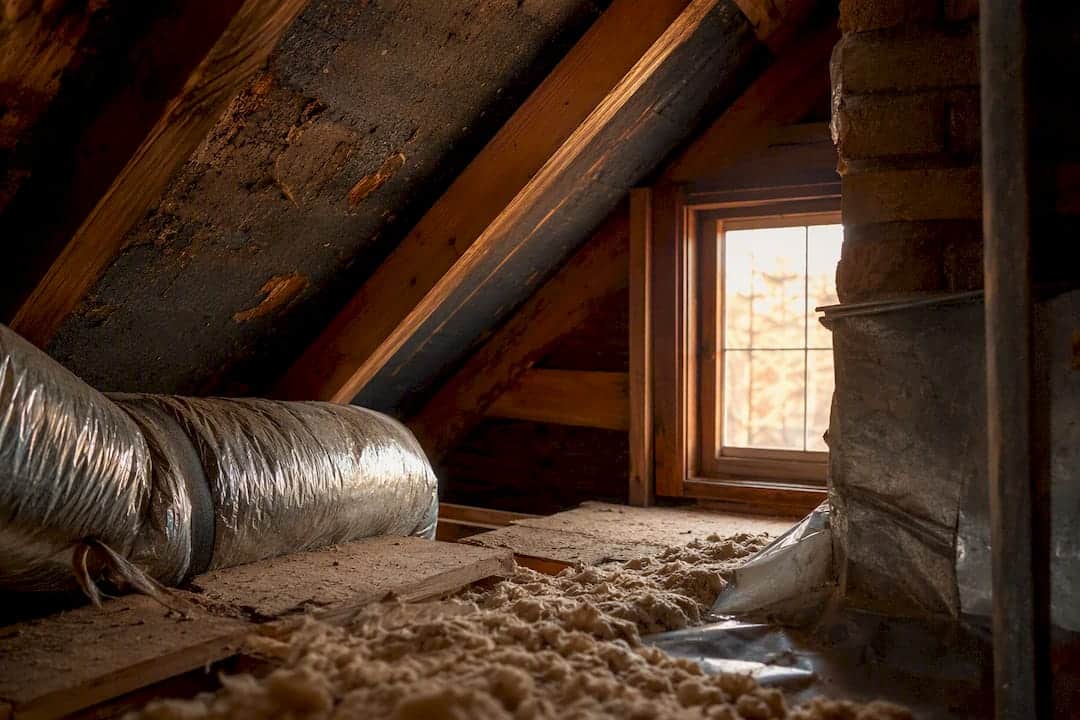
A general home inspector gives you a snapshot. A roofing contractor gives you a diagnosis, and that difference shows up in what gets documented. A specialist report typically covers underlayment condition beneath the visible shingles, decking integrity (soft spots you can’t see from a ladder), flashing seals at chimneys and vents, attic ventilation problems that accelerate wear from the inside out, and the remaining status of any existing manufacturer or workmanship warranty.
A negotiation-ready estimate needs more than a total dollar figure. Look for line-item pricing that separates materials from labor, a clearly stated scope of work, a realistic completion timeline, and confirmation of permit requirements and warranty terms once the job is done.
Crowley Exteriors provides free roof inspections and no-obligation estimates built for exactly this kind of situation, with a 25-year workmanship guarantee backing the work and more than 25 years of experience with Missouri’s weather patterns specifically. Whatever remedy you pursue, keep every document. Receipts, written estimates, and warranty paperwork all matter after closing if a repair doesn’t hold up the way it was represented.
Where Standard Advice on Roof Contingencies Falls Short
Most contingency advice treats the roof like any other inspection item; something to note, negotiate, and move past. That undersells how much leverage sits in the financing and insurance rules most buyers never read closely. An FHA appraiser’s condition or an insurer’s age cutoff isn’t a negotiating tactic you invented. It’s an external fact the seller can’t argue away, and that’s exactly why it’s stronger than almost any argument your agent could make on your behalf.
The mistake I see buyers make constantly is treating the seller credit as a universal fix. It isn’t. Loan concession caps are real, and a $15,000 roof problem on a modest purchase price can blow past what FHA or VA will let a seller contribute. Buyers who understand that upfront move straight to an escrow holdback or a 203(k) loan instead of wasting a week negotiating a credit that was never going to cover the cost.
Prioritize the specialist inspection first, always. A vague contingency clause with a generic inspector’s opinion behind it gives you almost nothing to stand on when the seller pushes back.
— Mario
Get a Roof Report That Actually Holds Up in Negotiations
If you’re mid-contingency and need evidence a seller can’t easily dismiss, Crowley Exteriors gives you a contractor-grade inspection instead of a checkbox estimate. That’s the real gap between a generic home inspector’s roof note and a licensed roofer’s line-item report your lender and the seller both have to take seriously.

Crowley Exteriors offers free inspections and no-obligation estimates built specifically for buyers who need documentation, not just an opinion. Every estimate is line-item priced, so you walk into your negotiation with numbers a seller’s agent can’t wave away as inflated or vague. The 25-year workmanship guarantee applies to any roof replacement work completed after closing, and the team’s regional experience means the assessment accounts for what Missouri roofs actually deal with, not generic checklist items pulled from a national franchise script. If your inspection window is ticking down, contact Crowley Exteriors today to schedule an inspection and get an estimate you can attach directly to your repair or credit request.
Sources
Before you sign anything, confirm your contingency language and loan rules against Zillow’s inspection contingency guide, LegalClarity’s seller refusal breakdown, and, if you’re vetting a contractor before hiring one, this contractor vetting checklist.
This article is general information, not a substitute for advice from a qualified financial advisor. Consult a qualified financial professional about your own circumstances before acting on anything here.
- What Is a Home Inspection Contingency? | Zillow
- What happens if a seller refuses to replace the roof? | LegalClarity