

If your siding has round dents, cracked panels, or paint chips after a storm, you’re likely looking at siding hail damage, and coverage is often available under a standard homeowners policy. Don’t repair anything permanently yet. Photograph every mark with a coin or ruler for scale, note the storm date, call your insurer, and schedule a contractor inspection before you sign off on anything.
TL;DR:
- Hail as small as three-quarters of an inch can damage siding, but severity increases significantly with hail larger than an inch and wind effects can intensify impacts.
- Vinyl siding shows cracks and chalky surface fractures, while aluminum dents with round dimples; wood damage often hides under paint, and fiber cement cracks with cratered impact zones.
- Insurance coverage depends on policy terms like replacement cost value versus actual cash value, with deductible types and depreciation affecting your payout.
- Claim timelines usually span two to four months, extending longer during regional storms with material or contractor delays, and costs vary based on material, damage extent, and market conditions.
- Prompt documentation within three days of a storm, including photos, storm reports, and organized records, is critical for maximizing claim value and avoiding repair-related claim undercuts.
Table of Contents
- Does Your Siding Actually Have Hail Damage?
- How to Inspect and Document Siding After a Hailstorm
- Will Insurance Cover Hail Damage to Siding?
- Repair or Replace? How to Decide After Hail Damage
- How Long Does a Hail Damage Claim Take, and What Will It Cost?
- Crowley Exteriors’ Field Insights and Recommended Next Steps
- Simple Habits That Reduce Hail Damage Before It Happens
- Watch for These Red Flags During Repair and Claims
- Does Hail Damage Affect Resale Value and Disclosure Rules?
- The One Thing Homeowners Get Wrong After Hail
- Free Siding Inspections and Claims Support From Crowley Exteriors
- Sources
Does Your Siding Actually Have Hail Damage?
The answer depends on your siding material, because hail leaves a different fingerprint on vinyl than it does on fiber cement or aluminum. A dimple that means nothing on wood trim can mean a full panel replacement on aluminum. Learning to read those signatures is the first skill that protects your claim.
Hail as small as three-quarters of an inch, roughly penny-sized, can leave visible marks on siding, and damage severity climbs sharply once stones reach an inch or larger, according to field guidance from restoration contractors. Wind-driven hail complicates that math further. A modest hailstorm with strong gusts can inflict damage you’d expect from much larger stones, because the impact angle changes everything.
Vinyl siding shows arched or crescent-shaped cracks, especially near panel ends and around nail slots. Look for chipping at the bottom edges and a chalky, “powdered” or silvery look inside the impact zone, where the surface layer has fractured. Vinyl gets brittle in cold weather, so hail damage from a winter storm often looks worse and spreads further than a summer hit of the same size.
Aluminum and metal siding dent instead of crack. You’re checking for round dimples, small punctures, and chipped paint that exposes bare metal underneath. Aluminum that’s been dented will often show a white, chalky oxidation forming in the exposed metal within days.
Wood and engineered wood siding hide damage under paint. Look for chipped or missing paint, hairline splits in the grain, and gouges. Water stains around a chip mean the protective finish has already been breached, and moisture is getting into the substrate.
Fiber cement siding cracks in a distinctive cratered pattern, small circular impact zones where the factory finish has chipped away and the gray cement substrate underneath is visible.
Three inspection tricks reveal damage that’s invisible in flat daylight:
- Walk the siding at dusk or early morning and hold a flashlight at a low, raking angle. Shallow dents throw shadows that disappear in direct sun.
- Run a garden hose lightly over suspect panels. Water pools differently in a dent than on a flat surface.
- Run your palm flat across the panel. Your hand often catches dimples your eyes miss.
How to Inspect and Document Siding After a Hailstorm
Work top to bottom and inside out: roof first, then gutters and downspouts, then siding, then anything else on the property. Wait for conditions to be safe. Wet roofs, downed lines, and standing water are not worth the risk of an unassisted climb, and a same-day roof check often reveals correlated damage that strengthens your siding claim.
Once it’s safe, document methodically:
- Photograph each elevation of the house in full, wide shots that show the whole wall.
- Take close-ups of every mark you find, with a coin or a tape measure laid next to it for scale.
- Set your phone’s date stamp on or confirm the date manually in a caption, since insurers want a timestamp tied to the storm.
- Photograph any hailstones you can retrieve before they melt, next to a ruler if possible.
- Check gutters, downspouts, HVAC fins, window screens, and vehicles parked outside during the storm. Damage in these spots corroborates the size and intensity of the hail that hit your siding.
- Pull up the National Weather Service storm event data for your date and zip code, or search NOAA’s local storm reports. That record becomes part of your claim file.
- Cover any exposed sheathing with a tarp to prevent water intrusion, but stop there. Don’t patch, repaint, or replace anything permanently until an adjuster or contractor has seen it in its original condition.
Pro Tip: Keep a small manila envelope or phone folder labeled with the storm date. Drop every photo, the NWS report printout, and your insurer’s claim number into it as soon as you have them. Adjusters move faster on organized files, and a scattered paper trail is the number one reason claims stall.
If you find roof damage during this walk, our guide on handling storm damage in the first 72 hours walks through the parallel steps for that surface.
Will Insurance Cover Hail Damage to Siding?
Most standard homeowners insurance policies list hail as a covered peril for siding and other exterior structures, but the payout depends on two things buried in your policy language: your deductible type and your valuation method, according to Progressive’s coverage overview.
Some policies carve out cosmetic-damage exclusions, meaning a dent that doesn’t affect the siding’s ability to shed water might not be covered even though it’s clearly visible. That distinction between cosmetic and functional damage is exactly where adjusters and homeowners disagree most often.
Two terms determine what check you actually get:
- Replacement Cost Value (RCV) pays what it costs to replace the siding today, materials and labor included, minus your deductible.
- Actual Cash Value (ACV) pays RCV minus depreciation for the siding’s age and wear, often a significantly smaller number on siding that’s ten or fifteen years old.
If your insurer cuts an ACV check but your policy includes RCV terms, you can usually recover the depreciated difference after the work is done by submitting contractor invoices, a process called an RCV recovery. Keep every invoice.
Homeowners in hail-prone regions often carry a separate wind/hail deductible, and it isn’t always a flat dollar figure. Some policies set it as a percentage of your dwelling coverage limit, which the Oklahoma Insurance Department notes can translate into thousands of dollars on a higher-value home, far more than the standard $500 or $1,000 flat deductible most people expect.
Hail causes billions of dollars in insured losses across the country each year, making it one of the costliest weather perils homeowners face, according to the Insurance Information Institute.
An adjuster’s job is to write a scope of loss, often using an industry estimating platform called Xactimate, which prices line items like siding removal, disposal, and reinstallation by material and region. That estimate is a starting point, not gospel. Get one or two independent contractor estimates before you accept it, since U.S. News’s claims guidance points out that adjusters sometimes miss damaged trim, flashing, or full elevations that a contractor walking the property will catch. If the numbers don’t match, you can request a supplement or a second inspection before signing.
Repair or Replace? How to Decide After Hail Damage
Not every hail hit needs a full teardown. The decision usually comes down to how much of the wall is affected, how old the siding already was, and whether water has gotten behind the surface.
Repair usually makes sense when:
- Damage is isolated to a handful of panels or a single elevation.
- The siding is relatively new, and the manufacturer’s color and profile are still available to order.
- There’s no sign of moisture intrusion behind the damaged section.
Replacement usually makes sense when:
- Damage is spread across multiple elevations rather than concentrated in one spot.
- You find holes, cracks that go all the way through, or any staining that suggests water is already getting behind the panels.
- The siding is older, brittle, and faded, since matching the color of sun-bleached siding to new stock rarely works.
- The original product has been discontinued and no replacement profile matches cleanly.
Material matters here too. A dented aluminum panel is dented for good. Metal doesn’t rebound, so aluminum siding repair means swapping panels, not popping dents. Vinyl behaves differently: a single cracked panel might seem repairable, but vinyl that’s already brittle from age or sun exposure tends to crack again nearby within a season or two, which is why many contractors push for a broader replacement rather than a patch that fails again by next spring.
Insurance-closed claims skew toward full replacement more often than DIY jobs do, and it’s not just about upselling. A siding repair and replacement guide notes that improperly matched or poorly sealed spot repairs can trap moisture behind the wall, leading to rot or mold that costs far more to fix later. Uniform appearance and a fresh manufacturer warranty are real benefits, but the water-intrusion risk is the part homeowners underestimate most.
How Long Does a Hail Damage Claim Take, and What Will It Cost?
A single-property hail claim, filed under normal conditions with a responsive insurer, typically runs about two to four months from the day you file to the day the last panel goes up. That window stretches considerably after a widespread regional hailstorm, when adjusters, contractors, and material suppliers are all backed up at once. If a storm hits your whole zip code, expect your timeline to run closer to four to six months, sometimes longer if specialty siding profiles are on backorder.
Cost is driven by a handful of factors:
- Siding material. Fiber cement and engineered wood cost considerably more per square foot than standard vinyl, both in materials and labor.
- Extent of damage. A single elevation runs far less than a full-house tear-off.
- Material availability. Discontinued colors or profiles sometimes require sourcing from a secondary supplier at a premium.
- Labor backlog. After a major regional storm, contractor calendars fill fast, which can push both timeline and price upward.
Your deductible shapes what actually lands in your pocket. A flat $1,000 deductible is predictable. A percentage-based wind/hail deductible, common in hail-heavy states, is not. On a home insured for $400,000, a 2% wind/hail deductible works out to $8,000 before your insurer pays a dollar, a detail plenty of homeowners never notice until a claim is already underway.
Two habits keep this process from becoming a financial surprise: get written estimates from at least two contractors before accepting the insurer’s number, and confirm in writing whether your policy pays RCV or ACV on siding specifically, since some policies split that valuation differently for roofing versus siding.
Crowley Exteriors’ Field Insights and Recommended Next Steps
We’ve been inspecting storm-hit homes across St. Charles County for more than 25 years, and the damage that costs homeowners the most is almost never the dent they can see. It’s the sheathing rot behind a panel that looks only lightly marked, or a discontinued siding color that turns a repair into a full-wall replacement because nobody checked availability first. Those findings only show up during a hands-on inspection, not a photo review.
If your siding took a hit, schedule a free inspection before you agree to anything with your insurer. Collect two or three written estimates, keep your documentation organized, and never waive your deductible just because a contractor offers to “cover” it. That’s a red flag, not a deal.
Simple Habits That Reduce Hail Damage Before It Happens
You can’t stop hail, but you can reduce how much damage it does and how long your siding survives storm season. A few habits make a measurable difference.
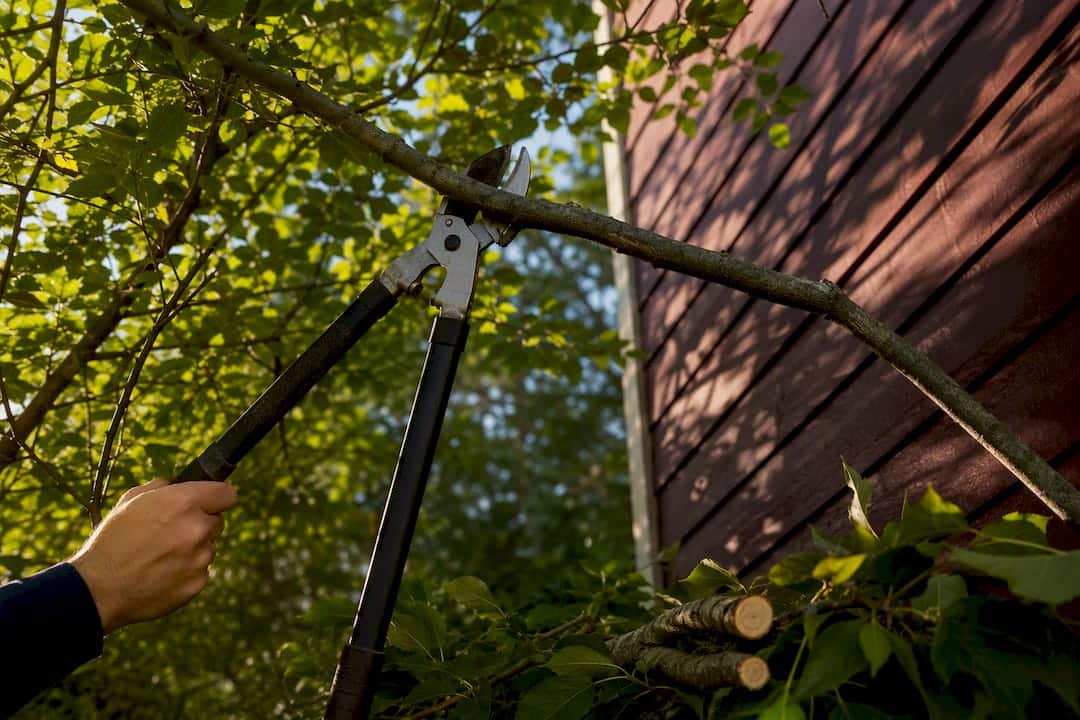
Trim overhanging branches away from exterior walls before storm season starts. Branches whipped by wind gouge siding just as effectively as hail does, and they’re one of the easiest damage sources to prevent.
Choose impact-rated siding when you’re due for a replacement anyway. Products rated for Class 4 impact resistance, tested against steel balls dropped from height to simulate hailstones, hold up noticeably better than standard vinyl in hail-prone regions. If you’re weighing options, insulated vinyl siding offers a denser panel structure that resists denting better than hollow-back vinyl, on top of its energy benefits.
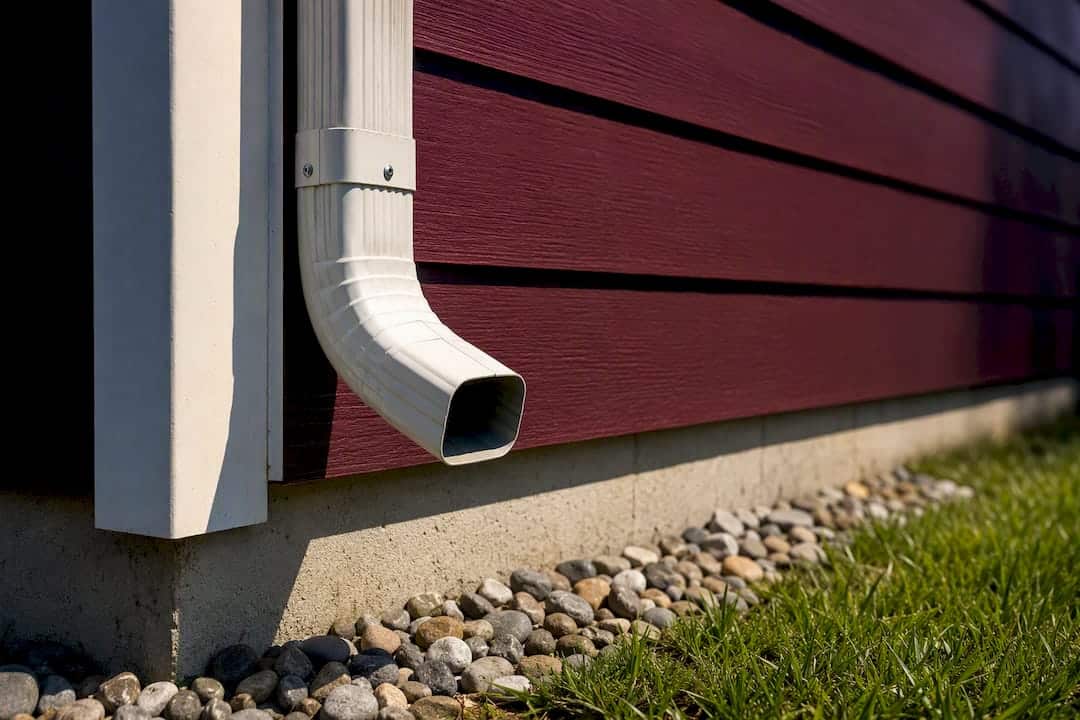
Keep gutters clean and downspouts clear year-round. Clogged gutters overflow during heavy hail-and-rain combinations, and that overflow soaks siding seams from above in ways that mimic and worsen hail-related water intrusion.
Have your siding professionally inspected every couple of years, especially after any storm season with reported hail in your area, even if you didn’t notice damage yourself. Small hits accumulate, and brittle spots you can’t see from the ground often become the panels that crack first in the next storm.
If exterior surfaces near your siding need periodic cleaning between inspections, a service like Fresh Exteriors handles safe pressure washing that won’t drive water behind panels the way an aggressive DIY blast can.
Watch for These Red Flags During Repair and Claims
Storm chasers follow hail tracks from state to state, knocking on doors within days of a major event. Some are legitimate traveling crews. Plenty are not, and a few warning signs separate the two.
Be wary of any contractor who offers to waive or “eat” your deductible. That’s illegal in most states and usually means the price gets padded elsewhere to cover the difference. Be equally cautious of anyone who pressures you to sign a contract on the spot, before you’ve gotten a second opinion or even confirmed the damage with your insurer.
Ask for a physical business address and a license number you can verify independently, not just a magnetic sign on a truck door. A contractor who can’t produce proof of insurance or a local address, and who wants a large upfront deposit before any work starts, is a pattern worth walking away from.
On the claims side, watch for adjusters who write a scope that only covers the visibly damaged elevation while ignoring gutters, flashing, or window trim that took the same storm hit. That’s exactly why an independent contractor estimate matters before you sign off on the insurer’s number, since a second set of eyes often catches line items the first pass missed.
Does Hail Damage Affect Resale Value and Disclosure Rules?
Undisclosed or unrepaired hail damage can knock down a home’s resale value, and in most states, sellers are legally required to disclose known material defects, including prior storm damage, whether or not it was repaired.
A buyer’s inspector will often spot old hail dimples or mismatched repair patches even years later, since replacement panels rarely age at the exact same rate as the originals around them. That mismatch becomes a negotiating point, sometimes a bigger one than the original repair cost would have been.
The safest path for resale value is straightforward: file the claim, get the repair or replacement done properly and documented, and keep the paperwork. A home with a fully replaced, properly permitted section of siding and a paper trail showing insurance-approved work tends to appraise better than one with a quiet patch job and no records. Buyers and their inspectors both notice the difference between a house that was cared for after a storm and one that wasn’t.
The One Thing Homeowners Get Wrong After Hail
Homeowners lose more claim value from waiting than from any other single mistake. The first 72 hours after a storm are when evidence is freshest, hailstones haven’t melted, and correlating damage on gutters or vehicles is still visible. Wait a week to take photos and you’ve lost your best documentation window.
The instinct to patch things up fast, especially anything leaking, is understandable but costly. A quick DIY fix before an adjuster ever sees the original damage can undercut your own claim, because there’s nothing left to inspect.
My advice is unglamorous but effective: treat the first three days after any hailstorm like an evidence-collection sprint, not a repair project. Photograph everything, log the date, and get a professional set of eyes on the property before you touch anything.
— Mario
Free Siding Inspections and Claims Support From Crowley Exteriors
Unlike waiting weeks for a national insurance adjuster to squeeze you into a schedule, Crowley Exteriors offers free, no-obligation siding inspections across St. Charles County, backed by more than 25 years of local storm-damage experience and a 25-year workmanship guarantee on installed work.

At your inspection, our team walks every elevation, checks for the hidden sheathing damage that photos alone miss, and gives you a written scope you can compare directly against your insurer’s estimate. We coordinate directly with insurance adjusters when you want that support, and we never ask you to waive your deductible or sign anything on the spot. If your siding took a hit this season, request a free siding inspection and get a straight answer on repair versus replacement before you commit to either one.
This article is general information, not a substitute for advice from a qualified financial advisor. Consult a qualified financial professional about your own circumstances before acting on anything here.
Sources
- Does Home Insurance Cover Hail Damage? | Progressive
- Does Homeowners Insurance Cover Hail Damage? | U.S. News
- Wind and hail | Oklahoma Insurance Department (OID)
- Facts & Statistics — Hail | Insurance Information Institute (III)