


Most roof claims get denied for reasons such as wear and tear or a pre-existing condition, a policy exclusion, missing documentation or a missed deadline, or a dispute over what actually caused the damage. If your claim was denied, your first move is to request the denial in writing, photograph the roof and any interior damage, and line up a professional, itemized contractor estimate before you appeal.
TL;DR:
- Check your policy’s covered perils and exclusions separately from its payout terms: ACV pays depreciated value, while RCV may release a holdback after repairs.
- Use appraisal only for the dollar amount of a covered loss; disputes over coverage require another route, such as arbitration, litigation, or a regulator complaint.
- Send new photos and an itemized contractor estimate with your internal appeal, then request a second inspection and document every conversation, receipt, and date.
- Compare estimates line by line for missing flashing, decking repairs, or code work; submit documented supplements when the first inspection overlooked those costs.
Table of Contents
- Common reasons roof claims are denied
- How insurers decide coverage: policy basics that affect denials
- What to do right after a denial: prioritized, time-sensitive checklist
- Ways to challenge a denial and how to pick the right path
- How contractor estimates and supplements change the outcome
- Publisher perspective: what local contractors add to a denied claim
- Get a free inspection and an insurance-ready estimate
- FAQ
- Sources
Common reasons roof claims are denied
Reading your denial letter closely usually tells you which category you’re dealing with. Insurers tend to lean on a handful of standard justifications, and each one calls for a different response.
Wear and tear or maintenance exclusions show up when an adjuster decides the roof failed gradually rather than from a sudden event. Denial letters in this category often use phrases like “deterioration,” “lack of maintenance,” or “normal aging.” Pre-existing damage denials happen when an inspector spots prior repairs, old patches, or granule loss that predates the storm you’re claiming for, even if the current damage is new.
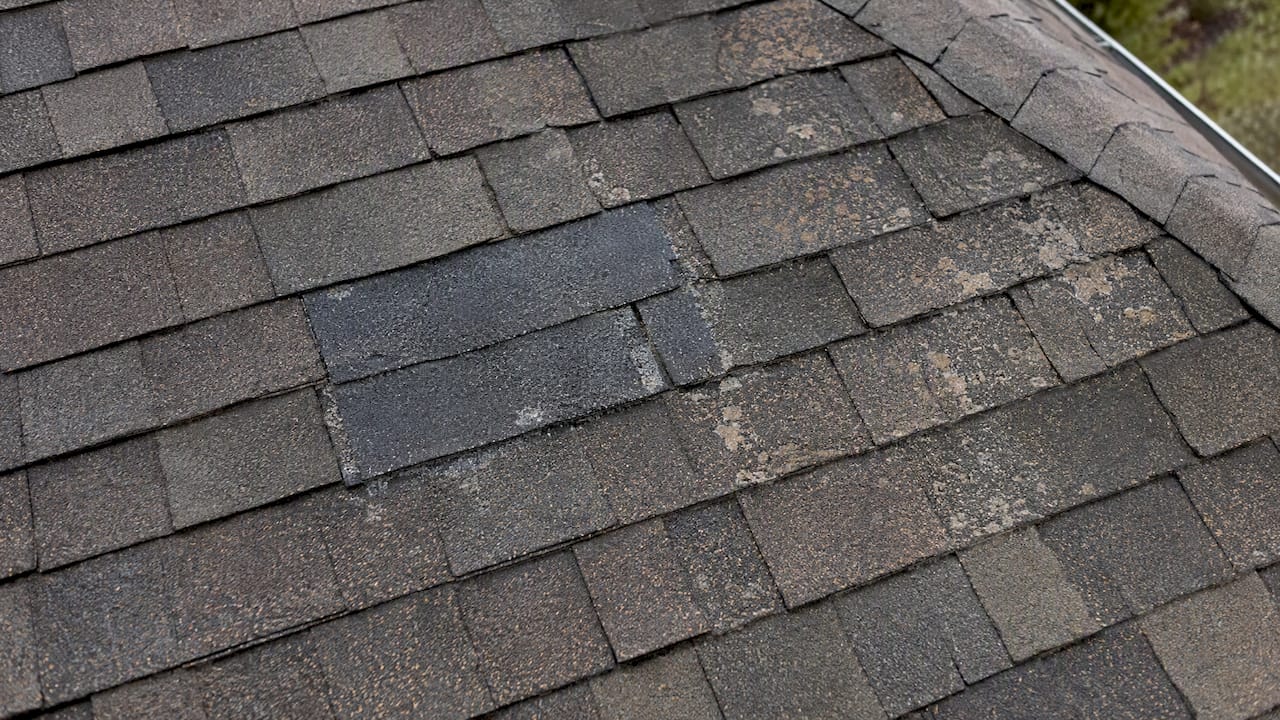
Policy exclusions and limited-peril language can knock out coverage entirely. Some policies exclude specific perils like wind-driven rain if windows or doors were left open, or limit coverage once a roof passes a certain age. Age-based clauses are increasingly common: some insurers cap replacement cost coverage based on the roof’s age and switch to actual cash value after that, regardless of condition.
Timeliness problems are another frequent cause. Missing a filing deadline, submitting an incomplete claim form, or failing to document damage promptly can all trigger a denial on procedural grounds rather than the merits of the damage itself.
Finally, many denials come down to a disputed cause: the insurer’s adjuster attributes the damage to age or deterioration, while you and your contractor believe a specific storm caused it. This is also where you’ll see the biggest gap between an initial adjuster’s estimate and a contractor’s itemized scope of loss, since adjusters often work from a quick visual pass rather than a detailed inspection.
- Wear-and-tear denials cite gradual deterioration, not a sudden event.
- Pre-existing damage denials point to old repairs or granule loss found during inspection.
- Exclusion denials rely on specific policy language that rules out your situation.
- Timeliness denials stem from missed deadlines or incomplete paperwork.
- Causation disputes pit the insurer’s age theory against your contractor’s storm assessment.
How insurers decide coverage: policy basics that affect denials
Every roof claim decision traces back to two questions: is the damage covered, and if so, how much is owed? Confusing these two issues is one of the most common mistakes homeowners make when pushing back on a denial.
Coverage depends on reading your policy’s perils and exclusions sections side by side. A policy might cover wind and hail but exclude damage from “wear, tear, deterioration” or require specific maintenance records. Separately, your policy type determines the payout method: actual cash value (ACV) pays the depreciated value of your roof, while replacement cost value (RCV) pays to replace it at today’s prices, often with a holdback released after work is completed.
An appraisal clause, when your policy includes one, resolves disagreements about the amount of a covered loss. It does not decide whether something is covered in the first place, a distinction confirmed in NAIC post-disaster claims guidance. If your denial is about coverage, appraisal won’t help until coverage is established.
- Covered perils and exclusions determine whether a claim is payable at all.
- ACV versus RCV determines how much you’re paid once coverage is confirmed.
- Appraisal settles the dollar amount of a loss, not whether it’s covered.
- Deductibles, endorsements, and prior claims history can all shift the final payout.
- Two homes with similar damage can get different outcomes depending on policy wording.
What to do right after a denial: prioritized, time-sensitive checklist
The days immediately following a denial matter. Evidence fades, memories blur, and some appeal windows start counting down the moment the letter arrives.
- Request the denial in writing if you haven’t received it, and note the date and the specific reason cited.
- Photograph the roof and any interior damage right away, following the wind damage photo checklist for the kind of documentation insurers expect.
- Get a professional, itemized contractor estimate that separates materials, labor, overhead, profit, and any code-required work, since a detailed scope of loss is often the clearest way to challenge an insurer’s numbers.
- Request a second inspection or an independent inspector, and write down names, dates, and what was discussed.
- Keep every receipt for emergency repairs, and calculate how your deductible affects any settlement offer using real deductible examples.
Pro Tip: Keep a simple log with dates, names, and summaries of every call or visit related to your claim. It becomes invaluable if the dispute continues.
Ways to challenge a denial and how to pick the right path
Several paths exist to push back on a denial, and picking the right one depends on whether you’re disputing coverage, amount, or the insurer’s conduct.
An internal appeal is usually the fastest and cheapest first step: submit your itemized contractor estimate and any new photos directly to the insurer and ask for reconsideration. If the dispute is purely about the dollar amount of a covered loss, appraisal is built for that. Each side hires an appraiser, and the two appraisers select an umpire if they disagree, a process NAIC guidance describes as resolving amount, not coverage. When coverage itself is contested and appraisal can’t fix that, arbitration or a lawsuit becomes the remaining option, though both take longer and cost more.
- Internal appeals work best when you have new evidence the adjuster didn’t see.
- Appraisal fits amount disputes, not disagreements over whether something is covered.
- Arbitration or litigation applies when coverage itself is the sticking point.
- A public adjuster can document and negotiate on your behalf, typically for a percentage of the settlement.
- A complaint to your state consumer protection office can prompt a review of unfair claims handling.
Homeowners in federally declared disaster areas may also qualify for free legal help through Disaster Legal Services, aimed at low-income residents facing insurance and contract disputes after a disaster.
How contractor estimates and supplements change the outcome
A strong scope of loss lists every material, labor cost, overhead and profit line, and any code-required upgrades separately, rather than bundling everything into one number. That itemization gives an insurer something concrete to evaluate instead of a round figure to dispute.
Comparing your contractor’s estimate against the adjuster’s line by line usually surfaces the gap: missing flashing, underestimated decking repair, or skipped code items. When the initial inspection misses something, a supplement request lets you add those items later with photos and documentation attached.
- A clear scope of loss separates materials, labor, overhead, profit, and code work.
- Line-by-line comparison against the adjuster’s estimate highlights what’s missing.
- Supplements let you recover costs for items overlooked in the first inspection.
- Having your contractor present during an adjuster meeting often speeds up agreement.
Publisher perspective: what local contractors add to a denied claim
A denial letter reads like a final answer, but it’s usually just one adjuster’s interpretation of a policy and a roof they inspected briefly. The gap between that interpretation and reality is where a careful, local contractor estimate does its real work, not by arguing harder, but by documenting better. At Crowley Exteriors, free inspections and itemized, no-obligation estimates exist for exactly this moment, built around what Missouri weather actually does to a roof. Call a contractor first when you need documentation; call a public adjuster or attorney when the dispute is about conduct or coverage itself.
— Mario
Get a free inspection and an insurance-ready estimate
If your roof claim was denied, a clear itemized estimate can help support an appeal, and we provide them for homeowners across St. Charles County. Bring your denial letter, prior claim paperwork, and any adjuster notes to your inspection, and we’ll put together documentation informed by our experience with Missouri weather and our roofing workmanship guarantee.
- We offer free roof inspections and no-obligation, itemized estimates.
- We help homeowners document damage in a format insurers expect to see.
- We back our roofing work with a workmanship guarantee.
Ready to get started? Schedule your free inspection and bring your paperwork with you.
This article is general information, not a substitute for advice from a qualified financial advisor. Consult a qualified financial professional about your own circumstances before acting on anything here.
FAQ
What should I avoid saying to an insurance adjuster about my roof?
Stick to facts: when the damage happened, what you observed, and what a contractor found. Avoid guessing at causes, admitting uncertainty about maintenance history, or speculating about costs, since those statements can end up used against your claim.
What are the most common reasons insurance claims get denied?
Claims are typically denied for wear and tear or pre-existing damage, policy exclusions, missed deadlines or incomplete paperwork, and disputes over what caused the damage. Reviewing your denial letter against your policy’s perils and exclusions section usually clarifies which category applies.
What is the roof replacement threshold rule?
The term usually refers to state or local building code provisions that require a full roof replacement, rather than a partial repair, once damage affects a substantial portion of the roof. Rules vary by jurisdiction, so check your local repair-versus-replace guidance for how it applies to your home.
What should I know about appraisal versus arbitration for roof claims?
Appraisal resolves disagreements about the dollar amount of a covered loss, using two appraisers and an umpire if needed, according to NAIC guidance. Arbitration or a lawsuit becomes relevant when the dispute is about whether something is covered at all, since appraisal doesn’t decide coverage questions.
Where can I get help if my insurer is handling my claim unfairly?
Your state consumer protection office can review complaints about unfair claims handling and investigate the insurer’s conduct. Homeowners in federally declared disaster areas may also qualify for free legal help through Disaster Legal Services.
Sources
Recommended
- How To File A Roof Insurance Claim: A Homeowner’s Guide
- Homeowners: 24–72 Hour Wind Damage Roof Photo Checklist For Claims
- Get A Roof Claim Supplement Approved In 6 Steps For Homeowners
- What To Do About Hail Damage To Your Roof Right Now
This article was prepared with AI assistance for general information. For recommendations specific to your property, contact Crowley Exteriors. Call or text us at 314-839-3800.