
A roof warranty typically protects against product defects and installation errors, not storm damage, neglect, or modifications you make after the job is done. Most new roofs come with at least two separate warranties: a manufacturer’s materials warranty covering defective shingles or components and a contractor’s workmanship warranty covering installation failures. A third option, the system or extended warranty, combines both and requires stricter conditions to activate.
What warranties generally do NOT cover:
- Severe weather events (hail, wind above specified limits, hurricanes)
- Neglect or deferred maintenance
- DIY modifications or repairs using non-approved materials
- Damage caused by other trades working on the roof after installation
Four actions to protect your coverage right now:
- Register the manufacturer warranty within the window stated in your paperwork
- Keep all receipts, product labels, and installation photos in one place
- Schedule an inspection annually and after any major weather event
- Ask your installer which manufacturer credential they hold before signing anything
Pro Tip: Register your warranty the same week the job is completed. Many homeowners assume the contractor handles this automatically. Most don’t.
Key Takeaways
Roof warranty coverage protects against material defects and installation failures, but only when the roof is registered, maintained, and installed by a credentialed contractor using approved components.
| Point | Details |
|---|---|
| Register immediately | File manufacturer registration the week the job is done; do not assume the contractor handles it. |
| Non-prorated window matters most | Full replacement value applies only during the non-prorated period, often 10 years on a 30-year policy. |
| Credential determines tier | The installer’s manufacturer credential controls which warranty tier you receive, not the shingle brand alone. |
| Warranties and insurance are separate | Warranties cover defects; homeowner’s insurance covers storm perils. You may need to file both after a weather event. |
| Crowleyexteriors | Offers credentialed installation, registration confirmation, and a 25-year workmanship guarantee in St. Charles County. |
Table of Contents
- What roof warranty coverage actually includes and how each type works
- What your warranty covers and what it doesn’t
- How long warranties last and what prorated vs. non-prorated means
- Practical steps to keep your warranty valid
- How to file a warranty claim and what to expect
- How to check if a roof is still under warranty and transfer it when selling
- How roof warranties differ from homeowner’s insurance
- Questions to ask your contractor before signing anything
- How Crowleyexteriors approaches warranty-backed roofing in St. Charles County
- Sources
What roof warranty coverage actually includes and how each type works
Manufacturer warranties cover material defects but typically exclude extreme weather, improper maintenance, or poor installation unless a system warranty is in place. Understanding which warranty type you have tells you exactly who to call when something goes wrong.
Manufacturer (product/material) warranty
The shingle manufacturer issues this warranty directly. It covers defects in the material itself: premature granule loss, cracking, splitting, or manufacturing irregularities that cause the shingle to fail before its rated lifespan. The manufacturer controls the scope, and the language typically includes a non-prorated window (full replacement value) followed by a prorated tail (declining payout as the roof ages).
“Lifetime” shingles are common, but read the fine print. In most manufacturer documents, “lifetime” means the coverage period is tied to the original homeowner’s tenure at that property, not the physical life of the shingle.
Contractor (workmanship/installation) warranty
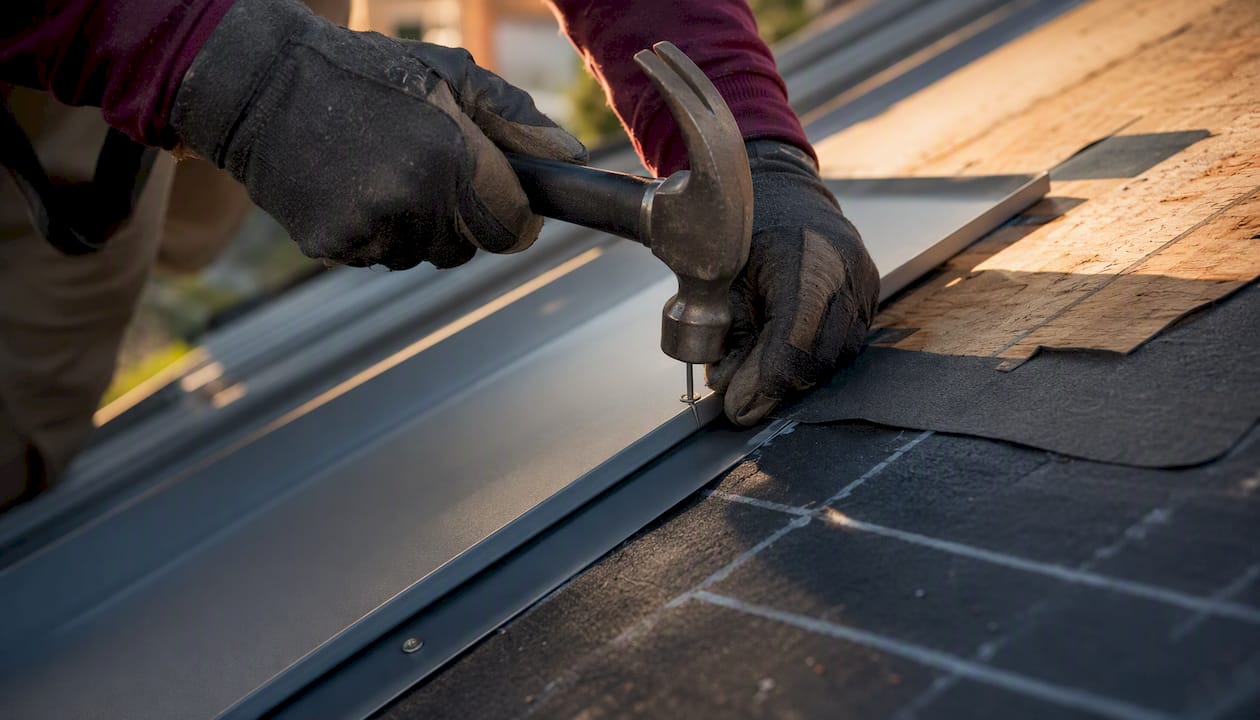
This one comes from your roofing contractor, not the manufacturer. It covers failures caused by how the roof was installed: improper flashing, missed nail patterns, inadequate underlayment sealing, or poor ventilation setup. Duration typically runs 1–10 years, though some contractors offer longer terms. If the installation caused the leak, this is the warranty you invoke, and the contractor is the party responsible for the repair.
System or extended warranty
Top-tier system warranties require a credentialed installer and a complete branded system of compatible products. When those conditions are met, the manufacturer may offer extended non-prorated coverage and back the workmanship directly, not just the materials. Owens Corning’s Platinum Protection warranty is one example of this structure: the installer must hold Owens Corning’s Preferred or Platinum contractor credential, and every component from underlayment to ridge cap must be from the matched product line.
The credential requirement matters for one practical reason beyond coverage length: if your contractor goes out of business, a manufacturer-backed system warranty lets you file directly with the manufacturer rather than being left with no recourse. At standard tiers, a defunct contractor means a defunct workmanship warranty.
What your warranty covers and what it doesn’t
Knowing the covered items is useful. Knowing the exclusions is what prevents a denied claim.
Typically covered:
- Manufacturing defects in shingles or accessory components
- Installation errors (under workmanship or system warranty)
- Matching accessory failures when covered under a system warranty
- Premature material failure within the non-prorated window
Common exclusions every homeowner should expect:
- Weather events: major storms, hail, wind above the manufacturer’s specified threshold
- Neglect or deferred maintenance (clogged gutters, debris accumulation, ignored minor leaks)
- Mechanical damage from other trades (HVAC contractors, solar installers, satellite dish crews)
- Unauthorized modifications: solar panels, skylights, satellite dishes, or any roof penetration not installed per manufacturer specifications
- Repairs made with incompatible or non-approved materials
Registration, maintenance, and approved materials are not optional extras. They are the conditions your coverage depends on. A manufacturer can and will cite any one of these as grounds for denial.
One misreading that costs homeowners real money: “full coverage” in a warranty document often means full replacement value only during the non-prorated window. After that window closes, the payout is prorated, meaning you receive a fraction of replacement cost based on how much of the warranty term remains. A typical warranty with a headline term includes an initial full-coverage window followed by a prorated period with reduced value.
How long warranties last and what prorated vs. non-prorated means
Duration ranges vary by warranty type. Manufacturer material warranties commonly run 10–50+ years, with a non-prorated window at the front and a prorated tail behind it. Top-tier manufacturer programs can include non-prorated material windows of up to 50 years and manufacturer-backed workmanship of up to 25 years, but those terms require a credentialed installer and matched-brand accessories. Contractor workmanship warranties typically run 1–10 years, though premium contractors sometimes offer more.
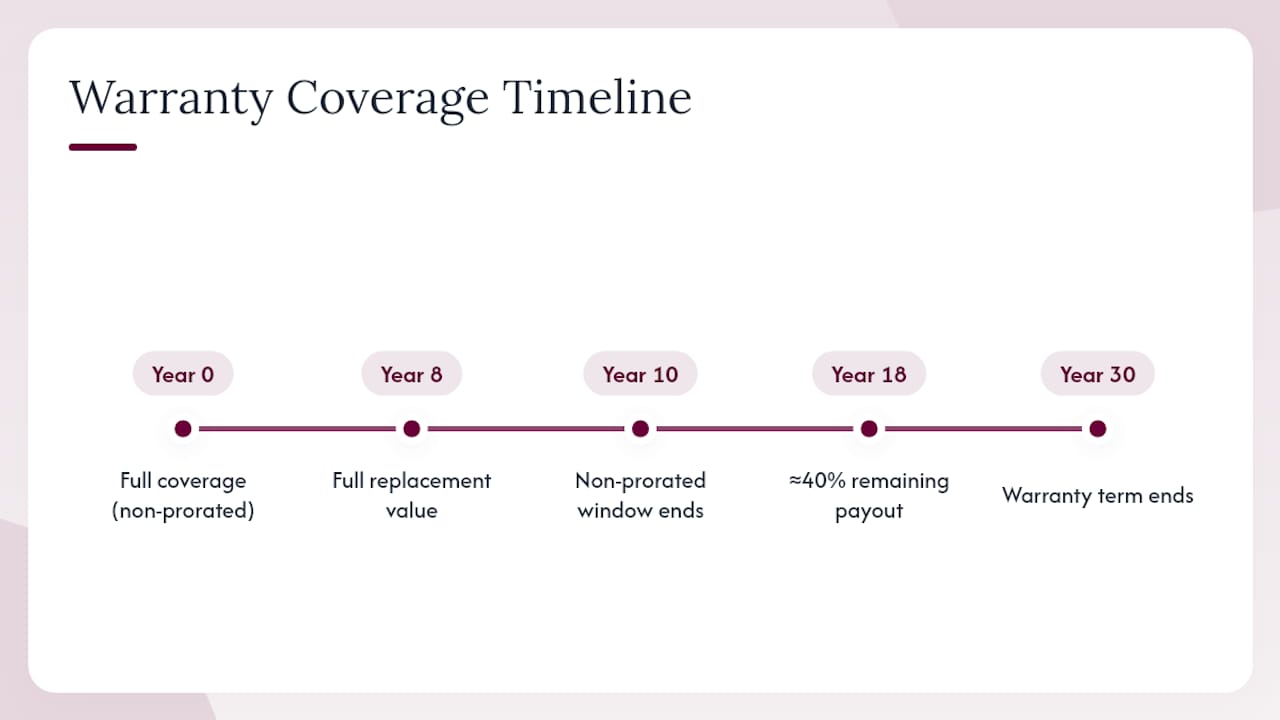
Non-prorated means the manufacturer covers the full cost of materials (and sometimes labor) within that window, regardless of how old the roof is.
Prorated means the payout declines as the roof ages. A simple example: a 30-year warranty with a 10-year non-prorated window. In year 8, you are still in the non-prorated period and receive full replacement value. In year 18, you are 18 years into a 30-year term, so roughly 40% of the warranty term remains, and your payout reflects that fraction of replacement cost. On a $11,875–$25,000 replacement, the difference between a year-8 and a year-18 claim can be thousands of dollars.
“Lifetime” in most manufacturer documents does not mean the physical life of the shingle. It means coverage tied to the original homeowner’s tenure at the property. Once the home sells, the warranty either transfers (often with reduced terms) or expires, depending on the manufacturer’s transfer rules.
Practical steps to keep your warranty valid
Most warranty denials trace back to installation issues or failure to follow manufacturer instructions; lack of documentation and delayed post-storm inspections are the other two common triggers. The steps below address all three.
Register immediately. File the manufacturer warranty registration within the window stated in your paperwork. Confirm you receive a registration confirmation in writing. Do not assume the contractor filed it on your behalf.
Build a warranty file. Keep the original invoice, product labels (photograph them before the packaging is discarded), registration confirmation, and any permit records in one folder, physical or digital. Homeowners who maintain a single warranty file with invoices, photos, registration confirmations, and inspection notes are far better positioned when a claim arises.
Schedule inspections. Annual inspections and post-storm inspections are the two most important. Dated photos and written inspection reports are what separate a successful claim from a denied one when a manufacturer disputes the cause of failure.
Use approved materials and certified contractors for any repairs. Before any roof penetration (solar, skylight, satellite dish), get the manufacturer’s approved accessory list and confirm the installer will follow those specifications. Unauthorized penetrations frequently create denial points in warranty claims.
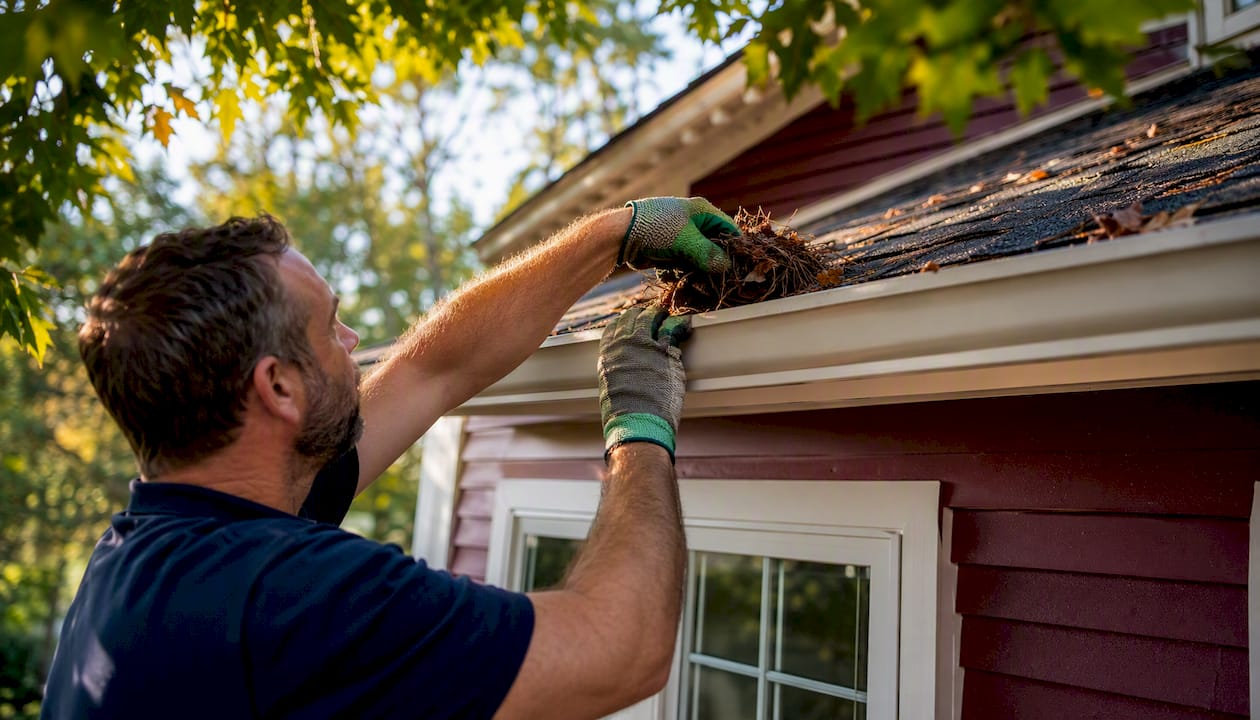
Maintain the roof actively. Keep gutters clear to prevent water backup at the roof edge. Remove debris and overhanging branches. Neglect is treated as grounds for denial in most warranty documents, and a manufacturer’s inspector will note it.
Pro Tip: Store your warranty file in cloud storage (Google Drive, Dropbox) and share it with a family member. A house fire or flood that destroys paper records should not also destroy your warranty claim.
How to file a warranty claim and what to expect
Warranty denials are most often linked to installation issues or failure to follow manufacturer instructions. Strong documentation is your best protection against both.
Step-by-step claim path:
- Identify whether the failure looks like a material defect (contact the manufacturer) or an installation error (contact the contractor first).
- Notify the responsible party in writing. Email creates a timestamped record.
- Gather your documentation before the inspection: invoice, product labels, registration confirmation, dated photos, and any prior inspection reports.
- Request a written inspection report from the manufacturer’s or contractor’s representative.
- Follow up in writing after the inspection to confirm the outcome and timeline.
What to have ready:
- Original invoice and contract
- Product labels or model numbers
- Registration confirmation
- Dated pre- and post-storm photos
- Permit records if applicable
- Any prior inspection reports
Timeline expectations: Manufacturer inspections are typically scheduled within a few weeks of a claim filing. Resolution, whether repair, replacement, or prorated settlement, can take 30–90 days depending on the manufacturer and the complexity of the failure.
If the original contractor is no longer in business: For workmanship claims, check whether your warranty is a manufacturer-backed system warranty. At the top tiers, the manufacturer steps in directly. For contractor-only workmanship warranties, you may need to hire a new contractor and pursue the original contractor’s bond or insurance if the failure is clear-cut. This is exactly why system warranty credentials matter at installation time.
How to check if a roof is still under warranty and transfer it when selling
Warranty documents are often the last thing homeowners think about when listing a home. They should be among the first.
Finding your warranty documents: Check the original contractor invoice, the product packaging labels (or photos of them), and any online registration portal the manufacturer provides. Most major manufacturers maintain online registration lookup tools where you can verify coverage status by address or registration number.
Transfer rules vary by manufacturer. Most allow one transfer, typically to the next homeowner, within a defined window after the sale (often 30–60 days). Written notice to the manufacturer is usually required. After transfer, the non-prorated window may shorten and workmanship backing may drop or disappear entirely. Ask the seller for the warranty documents during escrow, not after closing.
If the warranty was never registered: Failure to register or to file required transfer notice within the stated window can permanently void or materially reduce transfer coverage. An unregistered warranty may still carry some base-level manufacturer protection, but the enhanced terms are typically gone. A pre-purchase roof inspection by a credentialed contractor can at least establish the current condition of the roof and identify any visible defects before you take ownership.
If the installer is out of business: For system warranties, the manufacturer backs workmanship directly, so coverage survives. For contractor-only workmanship warranties, coverage effectively ends with the contractor. Buyers should factor this into their offer or negotiate a price adjustment.
How roof warranties differ from homeowner’s insurance
These two protections cover completely different problems, and confusing them is one of the most expensive mistakes a homeowner can make.
Warranties cover defects and installation failures. If your shingles crack prematurely due to a manufacturing flaw, or if a flashing failure causes a leak because of how the roof was installed, that is a warranty claim.
Homeowner’s insurance covers sudden, accidental perils. Wind, hail, fallen trees, and fire are insurance events, subject to your policy’s deductible and coverage limits. Warranties are a safety net, not a replacement for homeowner’s insurance; warranty coverage excludes acts of God and major storm damage that insurance typically covers.
When to use each:
- Storm damage (hail, wind, fallen branch): file an insurance claim
- Shingle failure with no storm event: file a warranty claim
- Both a storm and a suspected material defect: document both and contact both parties
Pro Tip: After a major storm, get a roof inspection before your insurance adjuster visits. A credentialed contractor’s written report documenting pre-existing conditions versus new storm damage protects your warranty claim and strengthens your insurance claim simultaneously.
Questions to ask your contractor before signing anything
The answers to these questions tell you more about your actual warranty protection than any marketing brochure.
On credentials and registration:
- Are you certified or credentialed by the shingle manufacturer you plan to use?
- Will this job qualify for a system or enhanced warranty, and will you register it?
- Who handles warranty claims if your company closes or changes ownership?
On documentation:
- Can you provide a sample of the actual warranty document before I sign?
- Will I receive written registration confirmation after the job?
- What is the approved accessories list for this product line, and will you use only those components?
On maintenance:
- What are the manufacturer’s written maintenance requirements to keep coverage valid?
- Are there any roof penetrations (vents, pipes, skylights) that need special treatment to preserve the warranty?
Red flags to watch for: A contractor who gives vague answers about registration, says “we’ll handle that later,” refuses to provide a sample warranty, or proposes using off-brand accessories on a branded system is signaling that your coverage will be weaker than advertised. The installer credential is often the single biggest determinant of access to the best warranty tier, and only a small percentage of contractors qualify for top manufacturer programs.
How Crowleyexteriors approaches warranty-backed roofing in St. Charles County
Crowleyexteriors has been installing and replacing roofs in St. Charles County for over 25 years as a family-owned operation. That tenure matters for warranty purposes: the company’s installation practices are aligned with manufacturer specifications, and the team handles registration, documentation, and post-installation verification as part of the job, not as an afterthought.
What Crowleyexteriors does to protect your coverage:
- Manufacturer-aligned installation practices using matched-brand system components
- Pre- and post-installation photography capturing product labels, flashing details, and ventilation
- Registration confirmation provided to the homeowner in writing
- Coordination on specialty penetrations (solar, skylights) to preserve warranty validity
- Post-storm inspection service to document condition before insurance adjusters arrive
Crowleyexteriors also offers free inspections and no-obligation estimates, and backs its own work with a 25-year workmanship guarantee. For homeowners in St. Charles County, that combination of manufacturer-credential installation and a long-term local workmanship guarantee is the practical definition of warranty-aware roofing. Roof replacement services and inspection scheduling are available directly through the website.
What the warranty fine print usually gets wrong
Most homeowners evaluate a warranty by its headline number: 30 years, 50 years, lifetime. That number is almost always the least useful piece of information on the document.
The non-prorated window is what actually matters for early claims. A 10-year non-prorated period on a 30-year warranty gives you full replacement value when you are most likely to need it, because installation-related failures and early material defects surface in the first decade. After that window, the prorated tail is worth progressively less each year.
The second thing most homeowners underestimate is the contractor credential. Manufacturer marketing focuses on shingle quality, but the warranty tier you actually receive depends almost entirely on whether your installer holds the right credential. A premium shingle installed by an uncredentialed contractor gets you a standard warranty, not the enhanced one on the product sheet. That gap can mean the difference between manufacturer-backed workmanship and no workmanship coverage at all if your contractor closes.
My honest recommendation: when comparing bids, ask each contractor to show you the warranty document you will actually receive, not the marketing summary. If two bids use the same shingle brand but one contractor is credentialed and one is not, those are not equivalent offers. The credential is worth more than a modest price difference, especially on a roof where replacement cost runs $11,875 to $25,000 for a typical home.
Crowleyexteriors: warranty-aware roofing in St. Charles County
For homeowners in St. Charles County who want a roof replacement that holds up in court as well as it holds up in weather, Crowleyexteriors delivers the specific combination that matters: credentialed installation, matched-system components, and documented registration.

Every job includes installation photography, product label capture, ventilation verification, flashing inspection, and written registration confirmation handed to the homeowner. Missouri weather is hard on roofs, and a warranty that survives a claim starts with how the job is installed and documented on day one.
What’s included with a Crowleyexteriors roof replacement:
- Manufacturer-compliant installation with matched accessories
- Registration filing and written confirmation to the homeowner
- Pre- and post-installation photo documentation
- Post-storm inspection coordination
- 25-year workmanship guarantee
Request a free inspection or get a no-obligation estimate for your roof replacement today.
Sources
The sources below are worth bookmarking if you want to read warranty PDFs directly or compare terms across manufacturers.
- What Does a Roof Warranty Cover? Types, Exclusions, and Claims – LegalClarity
- Understanding Roof Warranties | CertainTeed
- Understanding the 3 Main Types of Roofing Warranties | Owens Corning Roofing
- What Voids A Roof Warranty | Angi
- 2026 Roofing Warranty Comparison Database (7 Brands) | TRB
- Fixr
- What Voids a Roof Warranty? A Homeowner’s Guide – #1 DFW ROOFING COMPANY