
Yes, drone roof inspections are worth using for most homeowners. They’re faster and safer than climbing a ladder, and they produce clear photo documentation for records or insurance claims. But drones can’t lift a shingle or check for soft decking, so they usually work best paired with a hands-on inspection when a real problem is suspected. Before hiring anyone, confirm they hold a Part 107 certificate and carry liability insurance. Some companies combine both approaches on jobs that call for it.
TL;DR:
- Drone roof inspections are limited to surface imaging and cannot verify issues like soft decking or hidden leaks without physical inspection.
- The typical cost ranges from $150 to $700, with thermal imaging adding extra expense, and on-site time is usually between 15 and 60 minutes.
- A Part 107 certificate and liability insurance are mandatory for commercial drone pilots, and proper documentation strengthens insurance claims.
- Weather conditions and airspace restrictions can delay or prevent drone flights, making timing and scheduling important considerations.
- Combining drone and hands-on inspections offers the most comprehensive assessment, especially after storms or when suspect areas are identified.
Table of Contents
- What are the pros of a drone roof inspection?
- What are the cons and technical limits of drone inspections?
- What does a drone roof inspection cost and how long does it take?
- Do drone pilots need FAA certification and insurance?
- When should you choose drone-only, hands-on, or both?
- What should you ask before hiring a drone inspection provider?
- How we use drone inspections at Crowley Exteriors
- Get a Free Inspection From Crowley Exteriors
- Sources
- FAQ
What are the pros of a drone roof inspection?
The biggest advantage is obvious the moment you watch one happen: nobody has to get on the roof. Steep pitches, wet shingles, and third-story homes turn a routine check into a real fall risk, and a drone removes that risk entirely. That alone explains why so many roofers have added aerial equipment to their toolkit over the past few years.
Speed is the second big win. A drone pass over a typical residential roof takes 15 to 60 minutes, compared to the longer setup and teardown of a ladder-based walk. That translates into faster estimates, which matters when you’re trying to get a repair scheduled before the next storm rolls through.
Beyond safety and speed, drones deliver real, practical benefits:
- High-resolution images that show hail bruising, missing granules, or lifted flashing in sharp enough detail to discuss with an adjuster or a contractor.
- Thermal imaging can flag suspected moisture pockets under certain conditions, giving an early hint of a leak before it shows up on your ceiling.
- Better access to areas that are physically hard to reach, like a roof section blocked by a chimney, a steep dormer, or a second story with no safe ladder placement.
- A documented, dated record you can keep on file and compare against future inspections.
For a roof with no obvious history of trouble, that combination of speed and safety often makes a drone pass the right first move.
What are the cons and technical limits of drone inspections?
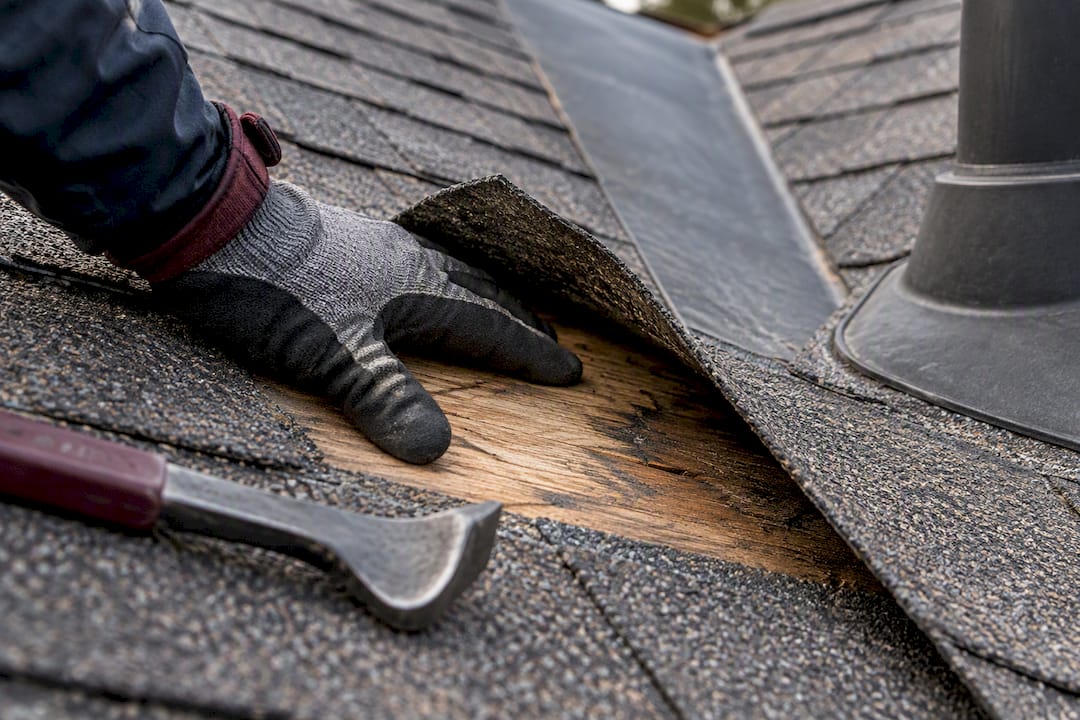
The core weakness is simple: a drone can’t touch anything. It can’t press on decking to check for softness, can’t lift a shingle tab to look at the underlayment, and can’t confirm whether a seal around a vent pipe is actually holding. Those are tactile checks, and no camera, however sharp, replaces a hand on the roof.
Thermal scans add another layer of complexity. They only work within a specific thermal load window, meaning the roof has to have absorbed and be releasing heat at the right rate for the scan to mean anything. Get the timing wrong and you risk a false positive, which then needs a follow-up check to sort out.
Weather and airspace add practical friction, too:
- Wind, rain, or fog can delay or prevent drone flights, since most drones are not rated for safe operation in poor weather.
- Homes near an airport may require LAANC authorization, which can push scheduling back by a day or more.
- Insurance carriers don’t all treat drone photos the same way. Many accept them as supporting documentation rather than a stand-alone basis for approving a claim.
Pro Tip: Keep dated copies of every drone report you receive, even for a roof that passes with no issues. If a claim ever comes up later, having a “before” record from a healthy roof makes proving storm damage much easier.
What does a drone roof inspection cost and how long does it take?
Pricing runs in a fairly predictable band. A standard visual drone inspection costs roughly $150 to $400 for a typical residential roof, while adding thermal imaging usually pushes that to $300 to $700. Commercial jobs or reports reviewed by a licensed engineer cost more, since they involve extra documentation and sign-off.
Time on site is short, usually 15 to 60 minutes, against the 2 to 4 hours a traditional hands-on inspection can take once you factor in ladder setup and a full walk of the roof. Turnaround on the report itself ranges from same-day to 48 hours.
| Detail | Drone inspection | Traditional inspection |
|---|---|---|
| On-site time | 15–60 minutes | 2–4 hours |
| Report turnaround | Same day to 48 hours | Varies by contractor |
| Typical cost (visual) | $150–$400 | Often bundled with estimate |
| Typical cost (with thermal) | $300–$700 | Not typically offered |
A finished report generally includes annotated photos, GPS-tagged images, and thermal maps when thermal was part of the job, along with a short list of recommended follow-up actions.
Do drone pilots need FAA certification and insurance?
Anyone flying commercially for pay is legally required to hold an FAA Part 107 Remote Pilot Certificate and register the aircraft with the agency. Ask for the pilot’s certificate number before you book. It takes thirty seconds to verify and tells you whether the operator is flying legally.
Liability insurance matters just as much. A drone that malfunctions near your house, your car, or a power line is a real liability, so ask to see proof of coverage and the policy limits before the flight happens.
A few other things worth checking:
- Homes near controlled airspace may need LAANC clearance, which can add a day or two to scheduling.
- Ask how the operator’s insurer, or yours, typically treats drone imagery. Acceptance as claim evidence varies by carrier.
- Request that photos be timestamped and GPS-tagged, since that detail strengthens any documentation you later hand to an adjuster.
When should you choose drone-only, hands-on, or both?
The right approach depends on what you’re actually trying to find out.
- Drone-only works well for routine documentation, steep or unsafe roofs, taking measurements, or building a dated record for future comparison.
- Hands-on inspection is the better call when you suspect a leak, need to verify decking condition, or require a certification tied to a warranty.
- Hybrid makes the most sense after a storm: fly the drone first to document the whole roof, then send someone up to physically check any area the images flag as suspicious.
A homeowner doing annual maintenance with no known issues can usually stop at drone-only inspection as part of preventive roof maintenance. Someone with a stain spreading across a bedroom ceiling needs a hands-on look, full stop. And anyone filing an insurance claim after hail or wind should treat the drone pass as step one, not the final word.
What should you ask before hiring a drone inspection provider?
A short round of questions before booking saves you from a disappointing report later:
- Can you provide your Part 107 certificate number and proof of liability insurance?
- Do you offer thermal imaging, and if so, what time of day do you schedule it for?
- Can I see a sample report before I book?
- What’s your typical turnaround time, and how long do you retain the raw footage?
On your end, clear the yard of anything that could interfere with the flight, keep pets inside, and confirm access details ahead of time. When the report arrives, make sure it includes timestamped photos, an annotated map, and the raw footage in addition to the processed summary. Reviewing our roof estimate checklist beforehand also helps you know what to expect from the write-up.
How we use drone inspections at Crowley Exteriors
Aerial imagery speeds up how fast we can put together an estimate and gives homeowners a clear, dated record to keep on file. But we don’t stop there. When a drone pass flags something worth a closer look, our team follows up on-site before making any recommendation. That habit comes out of more than 25 years working on Missouri roofs, backed by a 25-year workmanship guarantee on the jobs we complete. Drone photos are a tool. The judgment behind what to do with them still comes from someone who’s been on enough roofs to know what matters.
— Mario
Get a Free Inspection From Crowley Exteriors
Some companies offer aerial documentation combined with hands-on checks, sometimes providing free inspections with no obligation and follow-up looks to flagged areas before recommending repair or replacement.
Our team handles roof inspections and leak detection, storm and hail repair, and full roof replacements across St. Charles County, and we’ve spent more than 25 years learning how Missouri weather actually treats a roof. If a recent storm has you wondering whether your shingles took a hit, our storm damage guide walks through what to document in the first 72 hours. When you’re ready, schedule a free inspection and get a dated report you can act on, or keep on file for later.
Sources
Homeowners can verify commercial drone pilot credentials directly through the FAA’s Part 107 rules, and read more on flight limits and thermal timing in this drone roof inspection guide. For a side-by-side look at aerial versus hands-on methods, see this comparison of inspection methods.
- Drone Roof Inspection: How It Works, Cost & Limits
- Drone Roof Inspections: The Complete 2026 Guide
- Drone roof inspection guide
- Roof Inspection Methods Compared | TwoBit Aerial
FAQ
Is a drone roof inspection as accurate as a hands-on one?
For visible surface damage, yes. For hidden problems like soft decking or failed underlayment, no, since drones can’t perform tactile checks that require physical contact with the roof.
How much does a drone roof inspection cost?
Visual drone inspections typically run $150 to $400, with thermal imaging add-ons pushing the total to $300 to $700. Crowley Exteriors offers free inspections with no obligation, so ask directly about current options.
Will my insurance company accept drone photos for a claim?
Acceptance varies by carrier. Most treat drone imagery as supporting documentation rather than a guaranteed basis for approval, so pairing it with a hands-on inspection strengthens your claim.
Can bad weather delay a drone roof inspection?
Yes. Wind, rain, and fog can all prevent a safe flight, and homes near controlled airspace may need LAANC authorization that adds scheduling time.
Do I still need someone to walk my roof if I get a drone inspection?
Not always, but it depends on what the drone finds. If the images show anything unusual, or you already suspect a leak, a follow-up hands-on inspection is the safer next step.
Recommended
- What Should Be On Your Roof Estimate Checklist?
- 25 To 30% Rule: When Homeowners Should Repair Or Replace A Roof
- Roof Inspection Report: Complete Template And Guide
- Roof Financing Options: Your Complete 2026 Guide
This article was prepared with AI assistance for general information. For recommendations specific to your property, contact Crowley Exteriors. Call or text us at 314-839-3800.