


Start by listing your priorities in order and asking at least three contractors for itemized, line-item estimates so you can compare real numbers instead of rough guesses.
TL;DR:
- Roofing costs vary by material, with asphalt shingles being moderate, while metal and slate are significantly higher, especially on steep or layered roofs.
- Contingency reserves should be set at 10% for simple projects and up to 25% for those involving structural or mechanical work, as recommended by industry guidance.
- Accurate scope measurement before bidding involves recording square footage, linear footage, and window counts to enable meaningful bid comparisons on unit prices.
- Prioritize fixing safety and durability issues such as roof leaks or rotten framing before cosmetic upgrades like paint or landscaping for maximum value.
- Seasonal timing, project bundling, and material selection can reduce costs, with material prices affected by tariffs and labor costs fluctuating seasonally.
Table of Contents
- Typical cost ranges by exterior component
- A practical budgeting framework: direct costs, soft costs, contingency, financing
- How to estimate your project’s true cost
- Prioritizing exterior work: ROI, risk, and what to fix first
- Timeline, permits, and regulatory cost drivers to include in your schedule
- Material choices and cost drivers: how materials, labor, and timing move your budget
- Contractor questions and a line-item estimate checklist
- Crowley Exteriors’ practical evidence and homeowner resources
- Typical maintenance costs to factor into your post-renovation budget
- Budgeting for unexpected damages discovered during renovation
- Strategies for cost-saving without compromising quality
- Financing options and their impact on your total renovation budget
- Author perspective: practical contractor-facing budgeting advice
- Get a free inspection and itemized estimate from Crowley Exteriors
- FAQ
- Sources
Typical cost ranges by exterior component
Every exterior project has a wide price band, and the spread usually comes down to size, material grade, and how complicated the job is to access or install. Exterior finishes generally represent a significant portion of total construction cost on a home build, according to NAHB’s 2024 construction cost analysis, and that share tends to hold for standalone renovations too.
Roofing is typically priced per square (100 square feet), with asphalt shingles landing in the moderate range and metal or slate running well above that. Siding follows a similar per-square or per-linear-foot structure, with vinyl at the low end and fiber-cement or stone veneer costing considerably more per foot installed. Windows are priced per unit, and a full-house replacement multiplies that unit cost by however many openings you have, so a 12-window home costs far more in aggregate than a single patio door swap.
- Roofing: moderate for standard asphalt shingles per square, higher for metal, and highest for slate or tile, with steep pitches and multiple layers of tear-off adding to labor time.
- Siding: vinyl sits at the budget end per square foot, fiber-cement in the middle, and natural stone or stone veneer at the top.
- Windows: vinyl double-hung units run lower per window, while wood or fiberglass with custom sizing runs higher.
- Entry doors: steel doors are the most affordable, fiberglass and wood cost more, and custom or oversized doors add a premium.
- Garage doors: basic steel sectional doors are least expensive, while insulated or carriage-style doors with windows cost more.
- Decks: pressure-treated lumber is cheapest per square foot, composite decking costs more upfront but needs less maintenance.
- Paint: exterior repainting varies by square footage, number of stories, and whether trim and prep work (scraping, caulking, priming) are extensive.
- Landscaping and gutters: seamless gutters are priced per linear foot, and landscaping costs scale with plant material, grading, and hardscape elements.
Hard-to-access sites raise every one of these numbers. A steep roof pitch, a home surrounded by mature trees, or a lot with no driveway access for a dumpster or lift all add labor hours that a flat, open site would not require.
A practical budgeting framework: direct costs, soft costs, contingency, financing
A complete renovation budget has five layers, and skipping any one of them is how homeowners end up short mid-project. Lay them out in this order:
- Direct construction costs: materials and labor for the actual work, which is what most initial quotes cover.
- Soft costs: design fees, dumpster rental, temporary protection, and any engineering or architectural review.
- Permits and regulatory fees: municipal permit costs, inspection fees, and any code-triggered upgrades.
- Contingency reserve: a separate line, never folded into direct costs, sized to the project’s complexity.
- Financing or carrying costs: interest on a loan or home equity line, plus any costs tied to how long the project takes.
Industry guidance treats a 10% contingency as the floor for straightforward cosmetic work, with mid-scope projects warranting 10% to 15% and anything touching structural or mechanical systems in older homes warranting 15% to 25%, according to the National Remodeling Authority’s budgeting guidance.
Statistic: Industry remodeling guidance treats a 10% contingency as the minimum reserve for renovation work, rising to 15% to 20% for older structures or projects involving mechanical and system changes. That reserve should sit as its own line item, calculated as a percentage of your direct construction total, not as an afterthought you dip into only if something goes wrong.
How to estimate your project’s true cost
Getting a number you can trust starts with measuring the actual scope yourself before a contractor ever walks the site. Walk the exterior, take photos of every elevation, and note square footage for siding and roofing or linear footage for gutters and trim. That record becomes your scope checklist and lets you sanity-check what each bidder proposes.
- Measure first: rough square footage for roofing and siding, linear footage for gutters, and a count of windows and doors.
- Request itemized bids: a line-item estimate breaks out materials, labor, permits, and disposal separately, which makes bids comparable.
- Compare unit prices: look at cost per square foot or per linear foot across bids rather than just the bottom-line total.
- Use a professional takeoff when scope is unclear: a formal estimator or architect is worth the fee on additions or structural changes, while a straightforward re-roof or re-side usually only needs a contractor’s detailed line-item quote.
Our 12-line roofing estimate breakdown shows what a fully itemized quote looks like in practice, which is a useful reference when you’re comparing bids side by side.
Prioritizing exterior work: ROI, risk, and what to fix first
Not every exterior dollar returns the same value, and resale-minded homeowners should weigh that before choosing where to spend first.
- Garage door replacement, steel entry doors, manufactured stone veneer, and fiber-cement siding rank among the strongest national ROI performers in exterior remodeling, according to the 2025 Cost vs. Value Report.
- Safety and durability issues come first regardless of ROI: an active roof leak, rotten framing, or failing gutters that are causing water intrusion need to be fixed before any cosmetic upgrade, because deferring them multiplies the eventual repair cost.
- Bundling projects saves money: combining siding and gutter work, or roofing and window replacement, in a single mobilization often reduces overall cost and shortens total project time, a pattern noted in Popular Mechanics’ reporting on siding, roofing, and window ROI.
- Cosmetic projects can wait: fresh paint or landscaping upgrades add curb appeal but rarely carry the urgency of a structural or weatherproofing fix.
Timeline, permits, and regulatory cost drivers to include in your schedule
Most single-component exterior projects move faster than homeowners expect. A roof replacement typically takes one to three days once materials are on site, while a full siding job can run one to two weeks depending on house size and weather delays. Window replacement for a whole house often spans three to five days.
- Seasonality affects both cost and lead time: spring and early summer are peak demand periods in most regions, which can mean longer scheduling waits and higher labor rates than a late fall or winter booking.
- Permit fees scale with project value and jurisdiction: sample municipal permit records show exterior remodel permit valuations vary greatly depending on project scope, ranging from several thousand dollars to over several hundred thousand dollars, illustrating how widely permit costs and associated fees can vary by location and project size, per Davie County’s residential permit records.
- Code-triggered upgrades add scope: pulling a permit can require bringing adjacent systems up to current energy or electrical code, which adds cost you did not originally plan for.
- Longer timelines mean more carrying costs: if you are financing the project, every extra week on the schedule adds interest, so a realistic timeline estimate upfront protects your total budget.
Material choices and cost drivers: how materials, labor, and timing move your budget
The material you choose has a bigger effect on long-term cost than almost any other decision. Vinyl siding costs less upfront but has a shorter service life than fiber-cement, which costs more initially but typically lasts decades longer with less maintenance. Stone veneer sits at the premium end for both material cost and expected durability.
- Vinyl siding: lowest upfront cost, shortest expected lifespan among common siding options.
- Fiber-cement siding: higher material cost, longer service life, and strong resale performance.
- Manufactured stone veneer: highest cost per square foot, used selectively as an accent for maximum curb-appeal return.
- Tariffs and supply shifts add volatility: recent industry coverage notes that tariffs and supply-chain adjustments have pushed prices on materials like aluminum, steel, and lumber higher in recent months, according to HousingWire’s reporting on builder material costs.
- Labor pricing shifts seasonally: scheduling work in late fall or winter, when contractor demand drops, often costs less than booking during peak spring and summer months.
For older homes, matching historic window profiles while improving efficiency is its own cost consideration, and resources like Gepetto Millworks’ guidance on energy-efficient window options are worth a look if your home has original wood windows worth preserving rather than replacing outright.
Pro Tip: Ask your contractor to lock material pricing in writing at the time of signing, since a verbal quote on lumber or steel can shift before your project start date.
Contractor questions and a line-item estimate checklist
A transparent estimate separates site prep, demolition, materials by trade, labor by trade, permits, disposal, and final cleanup into distinct lines, which lets you compare bids on equal footing and spot what a cheaper quote might be leaving out.
- Ask who pulls the permit and confirm that cost is included in the quote rather than billed separately later.
- Ask about the warranty structure, including whether it covers labor as well as materials and whether it transfers to a future homeowner.
- Ask how change orders are handled and get the process in writing before work starts.
- Ask for proof of insurance and licensing current for your state or municipality.
- Review the payment schedule and treat a large upfront deposit, a vague scope description, or a missing permit line as warning signs.
Crowley Exteriors’ practical evidence and homeowner resources
We built our estimating process around the same itemized approach this guide recommends. As a family-owned company with more than 25 years working on homes in St. Charles County, we provide free inspections and itemized, no-obligation estimates so homeowners can see exactly what they’re paying for before committing. Our roofing work carries a workmanship guarantee, and our team is experienced with the wind, hail, and seasonal extremes that Missouri weather brings.
If you want a closer look at what an itemized quote should include, our roofing estimate breakdown walks through a real example, and our roof replacement timeline covers what to expect once work begins.
Typical maintenance costs to factor into your post-renovation budget
A renovation budget that stops at installation day is incomplete. New roofing, siding, and gutters all carry ongoing upkeep costs that homeowners should plan for alongside the project itself, not discover a year later.
Gutters need cleaning at least twice a year to prevent overflow and ice damming, and gutter guards, while an added upfront cost, reduce that maintenance frequency. Siding generally needs occasional washing and periodic caulk or trim touch-ups, with fiber-cement requiring repainting on a longer cycle than wood. A new roof still needs annual inspection, especially after major storms, to catch small issues like lifted shingles or damaged flashing before they become leaks.
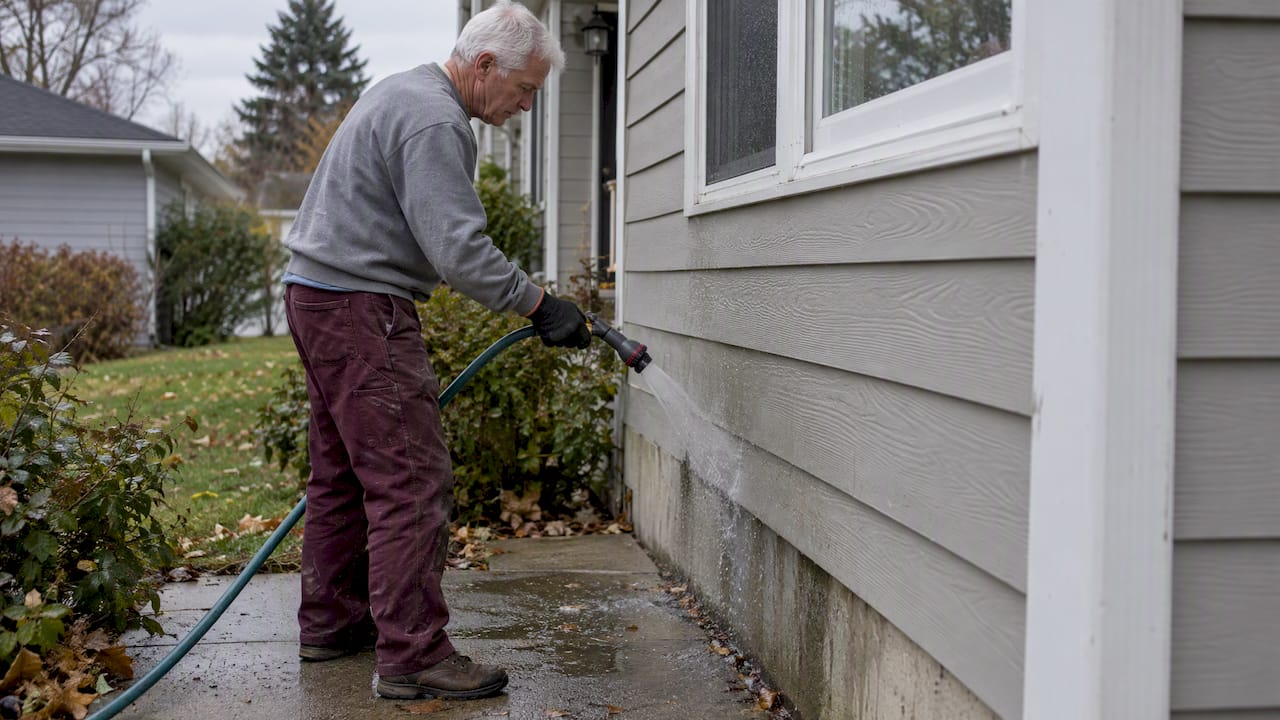
Set aside a modest annual line item, even a few hundred dollars, for inspection and minor upkeep across your new exterior components. That habit protects the investment you just made and often preserves warranty coverage, since many manufacturer and workmanship warranties require documented maintenance to stay valid. Skipping this step is a common reason homeowners end up paying for premature repairs on work that should have lasted decades.
Budgeting for unexpected damages discovered during renovation
Almost every exterior project uncovers at least one surprise once materials come off the house. Rotten sheathing under old siding, damaged roof decking under failed shingles, or outdated flashing around chimneys and vents are common finds that a pre-project visual inspection cannot always catch. Standard industry guidance identifies hidden conditions like these as the leading cause of mid-project cost increases, according to the National Remodeling Authority.
This is exactly what your contingency reserve is for. Ask your contractor upfront how they handle discovered damage: a reputable contractor documents it with photos, provides a written change order with a specific cost, and pauses for your approval before proceeding rather than billing after the fact.
Homes over 30 to 40 years old, or homes that have had water intrusion in the past, carry higher odds of hidden damage, so lean toward the higher end of the contingency range for those properties. A staged contingency, releasing an initial reserve at the start and holding a second reserve for post-demolition findings, is a practical way to keep this money earmarked without treating it as already spent.
Strategies for cost-saving without compromising quality
Cutting corners on materials or workmanship tends to cost more in the long run, but there are real ways to reduce your total spend without sacrificing durability.
Bundling projects is the single biggest lever: combining roofing and gutter work, or siding and window replacement, in one mobilization reduces the setup and equipment costs that would otherwise be charged twice. Scheduling work in the off-season, typically late fall through winter in most climates, often means lower labor rates and more scheduling flexibility since contractor demand drops outside the spring and summer rush.
Choosing a mid-tier material instead of the premium option in one category, while prioritizing the premium option where it matters most (a durable roof over decorative trim, for example) lets you control spend without sacrificing the components most exposed to weather. Energy-efficient windows and doors purchased through December 31, 2025, may also qualify for the Energy Efficient Home Improvement Credit, which allows homeowners to claim up to $3,200 annually, including up to $600 total for exterior windows and up to $500 total across qualifying exterior doors. Our guide on window tax credit eligibility covers what documentation you need to claim it.
Finally, get three itemized bids every time. Price spread between contractors for the same scope is often wide enough that comparison shopping alone saves real money, without changing a single material choice.
Financing options and their impact on your total renovation budget
How you pay for exterior work changes your effective project cost, not just your monthly cash flow. A home equity line of credit or home equity loan typically carries lower interest rates than unsecured personal loans, since the loan is backed by your home, but it also means your house is collateral if payments lapse. Personal loans or contractor-offered financing plans close faster and skip the appraisal process, though usually at a higher rate.
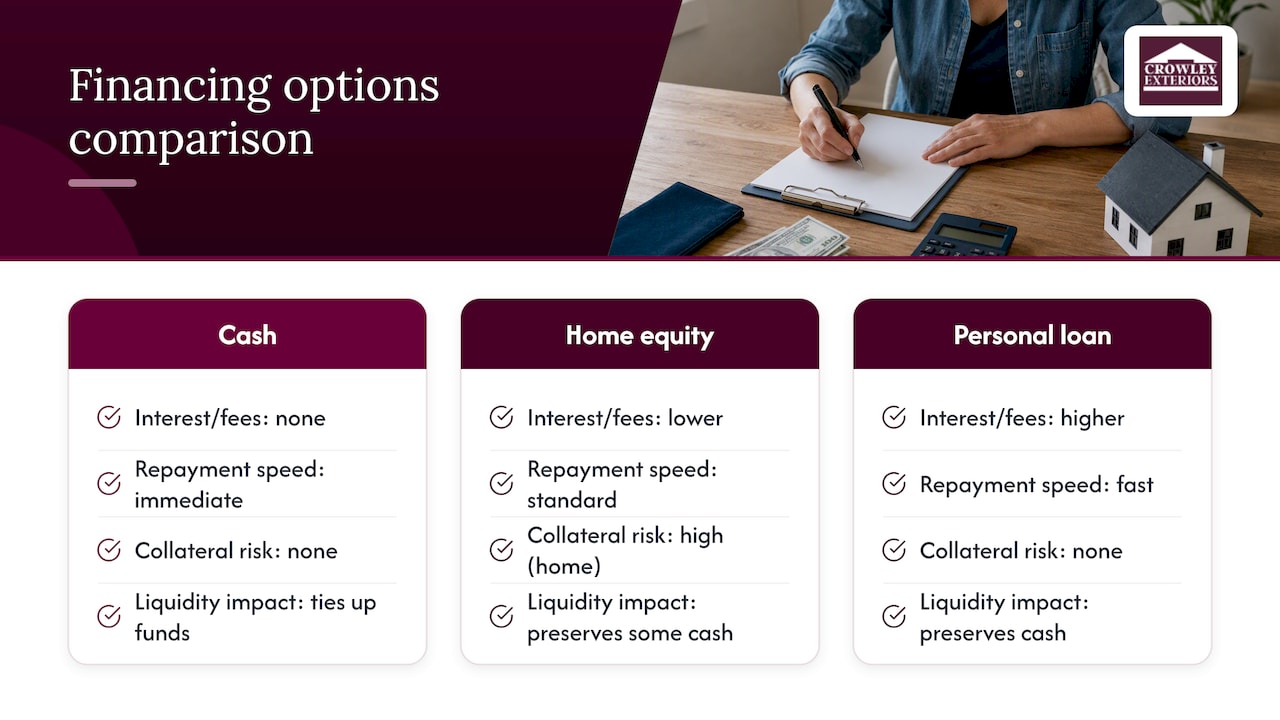
Cash payment avoids financing costs entirely but ties up liquidity you might want for the contingency reserve discussed earlier. Whatever route you choose, factor the interest or fees into your total project cost rather than treating financing as separate from the renovation budget. A longer repayment term lowers your monthly payment but increases the total interest paid over the life of the loan.
For homeowners using renovation financing as part of a larger purchase or investment strategy, resources like Mayday’s fix-and-flip document checklist outline the documentation private lenders typically require, which is useful context even for a primary residence renovation loan.
Author perspective: practical contractor-facing budgeting advice
The homeowners who come out ahead on exterior renovations are the ones who treat contingency as mandatory, not optional, and who get itemized bids instead of comparing round-number quotes. Fix the roof leak before you repaint the trim. Use the checklist in this guide when you sit down with contractors, and don’t sign anything that doesn’t break out materials, labor, and permits as separate lines.
— Mario
Get a free inspection and itemized estimate from Crowley Exteriors
If you’re ready to put real numbers behind your exterior renovation budget, we offer free inspections and no-obligation, itemized estimates on the projects this guide covers.
- Roofing: repair, replacement, and leak detection built for the wear Missouri weather causes.
- Siding: installation and replacement, including insulated options that affect long-term energy costs.
- Gutters: seamless gutter installation, repair, and gutter guard systems.
- Windows: full window replacement with attention to energy-efficiency and tax credit eligibility.
Start with a free inspection through our services page, or go straight to roof replacement details or siding options if you already know where you want to begin.
FAQ
What is the typical budget for renovating a house?
A full house renovation budget depends heavily on scope, but for exterior-only work, totals vary widely depending on project size, from small single-component projects like a roof to much larger combined projects including roofing, siding, windows, and gutters. Add a contingency reserve on top of your direct cost estimate, with the percentage depending on project complexity and conditions, often ranging from around 10% to 20%, as recommended by the National Remodeling Authority, to cover unexpected conditions.
Can you change the front of your house?
Yes, front exterior changes such as new siding, a new entry door, updated trim, or a new garage door are among the most common and highest-ROI exterior renovations homeowners pursue. Garage door and entry door replacements rank especially high for resale value, according to the 2025 Cost vs. Value Report.
What is the 30% rule in remodeling?
For roofing specifically, we apply a related concept in our guide to when to repair versus replace a roof, which compares repair cost against replacement value.
How to make the exterior of a house look more expensive?
Fiber-cement siding, manufactured stone veneer accents, and a quality entry door replacement consistently rank among the top exterior upgrades for perceived value and resale ROI, per Cost vs. Value reporting. Fresh paint on trim and a well-maintained roofline round out a higher-end look without requiring a full renovation.
Sources
- Energy Efficient Home Improvement Credit | Internal Revenue Service
- Remodeling budget planning encompasses structured financial frameworks | National Remodeling Authority
- Cost of constructing a home in 2024 | NAHB
- 2025 Cost vs. Value Report: Key Trends – Journal of Light Construction
Recommended
- 25 To 30% Rule: When Homeowners Should Repair Or Replace A Roof
- Homeowners: 12 Line Roofing Estimate With Crowley Exteriors Example
- Roof Replacement Timeline: What Homeowners Should Expect
- What Should Be On Your Roof Estimate Checklist?
This article was prepared with AI assistance for general information. For recommendations specific to your property, contact Crowley Exteriors. Call or text us at 314-839-3800.